
Posts by Collection
portfolio

publications
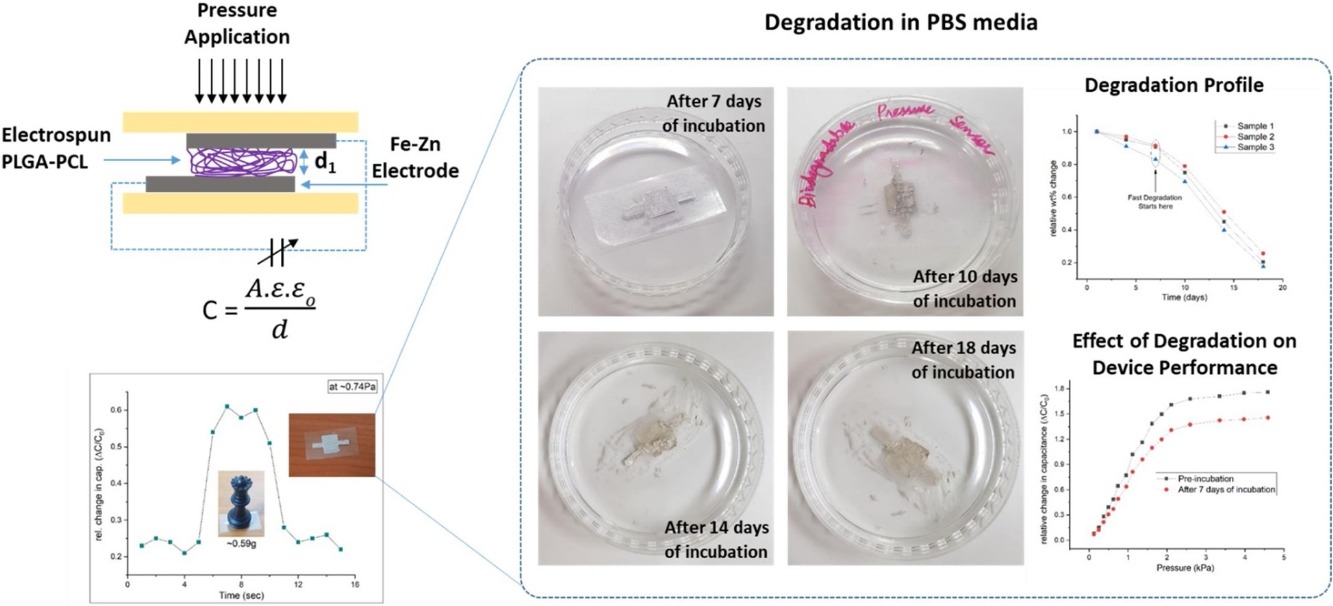
A highly sensitive biodegradable pressure sensor based on nanofibrous dielectric
Muhammad Asad Ullah Khalid, Muhsin Ali, Afaque Manzoor Soomro, Soo Wan Kim, Hyun Bum Kim, Byung-Gul Lee, Kyung Hyun Choi
Sensors and Actuators A: Physical, 2019
This work presents a first-of-its-kind biodegradable piezo-capacitive pressure sensor using an electrospun PLGA-PCL nanofibrous membrane. Featuring Fe-Zn bilayer electrodes on a PVA substrate, the sensor achieves high sensitivity (0.863 kPa⁻¹) and a low detection limit of 1.24 Pa, making it ideal for transient cardiovascular monitoring and eco-friendly electronic skin applications.
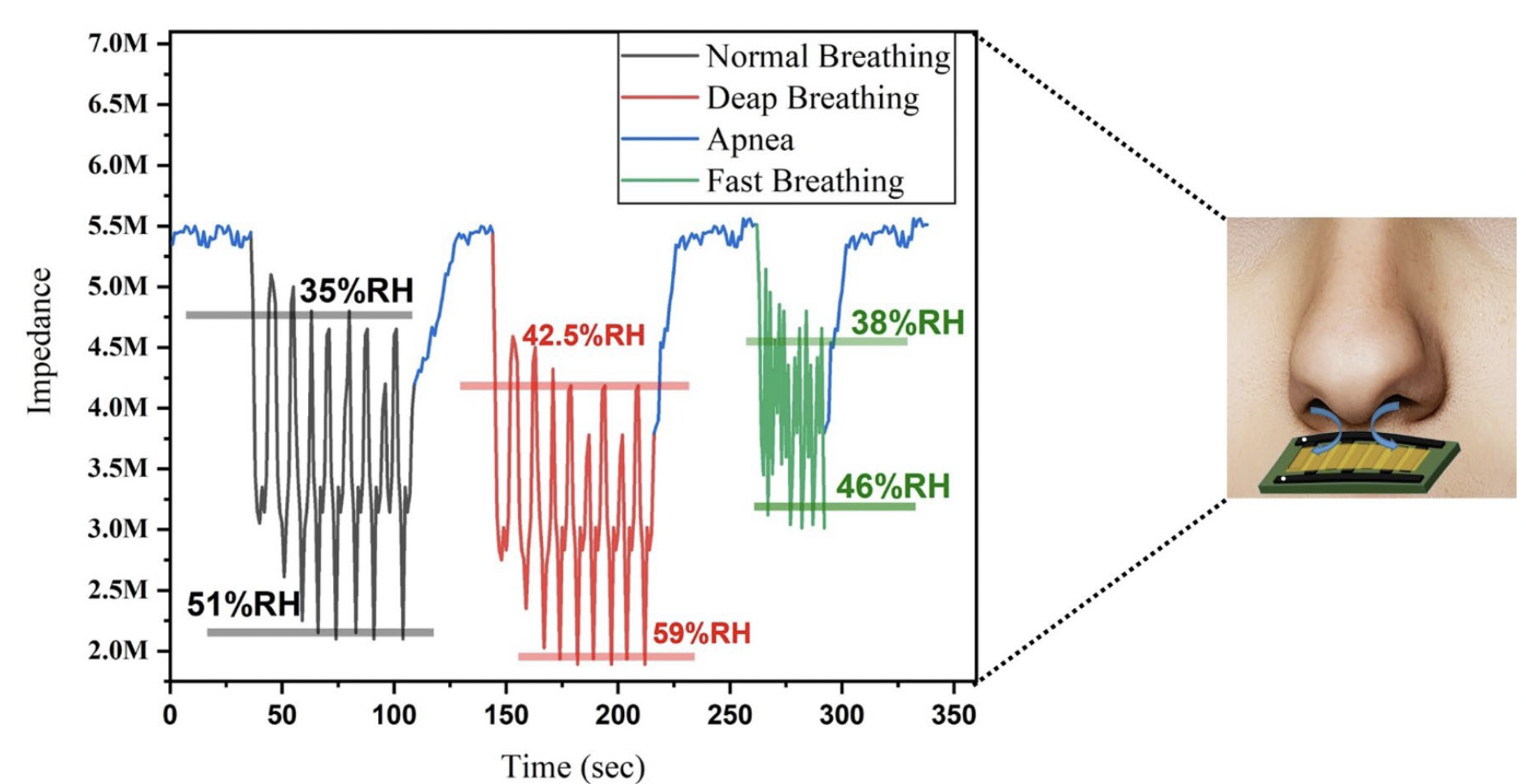
All-range flexible and biocompatible humidity sensor based on poly lactic glycolic acid (PLGA) and its application in human breathing for wearable health monitoring
Afaque Manzoor Soomro, Faiza Jabbar, Muhsin Ali, Jae-Wook Lee, Seong Woo Mun, Kyung Hyun Choi
Journal of Materials Science: Materials in Electronics, 2019
This study introduces the first use of PLGA as a high-performance humidity sensing layer, fabricated via reverse offset printing and spin coating. The biocompatible sensor offers full-range detection (0–100% RH) with a 3s response time and was successfully integrated with an ESP8266 for wireless, real-time human respiration monitoring.
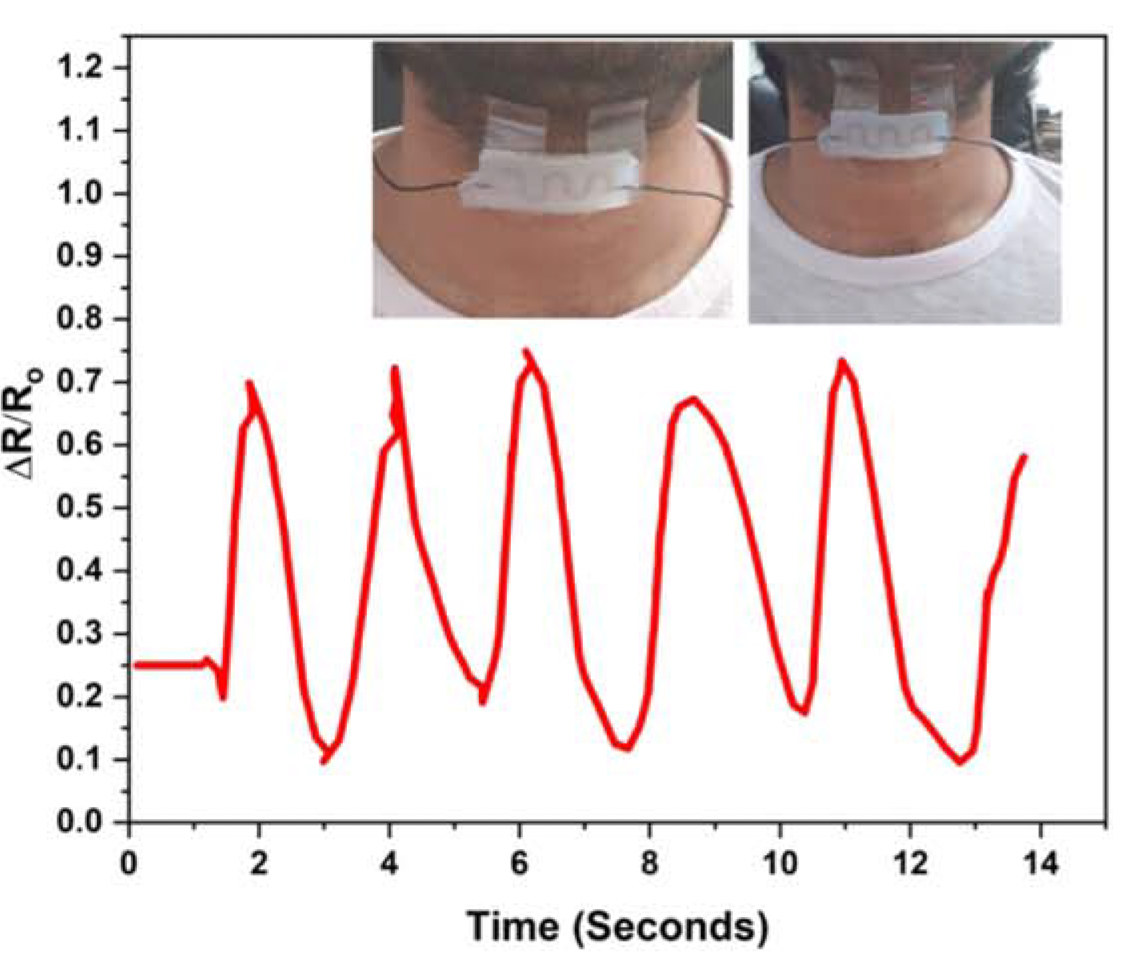
Highly stable soft strain sensor based on Gly-KCl filled sinusoidal fluidic channel for wearable and water-proof robotic applications
Afaque Manzoor Soomro, Muhammad Asad Ullah Khalid, Imran Shah, Kyung Hyun Choi
Smart Materials and Structures, 2019
This research details a highly stretchable fluidic strain sensor utilizing a biocompatible Gly-KCl conductive composite within a 3D-printed sinusoidal channel. Optimized via COMSOL FEA, the sensor demonstrates exceptional stability over 8,000 cycles and 100% strain, serving as a robust feedback mechanism for underwater robotics and wearable motion tracking.
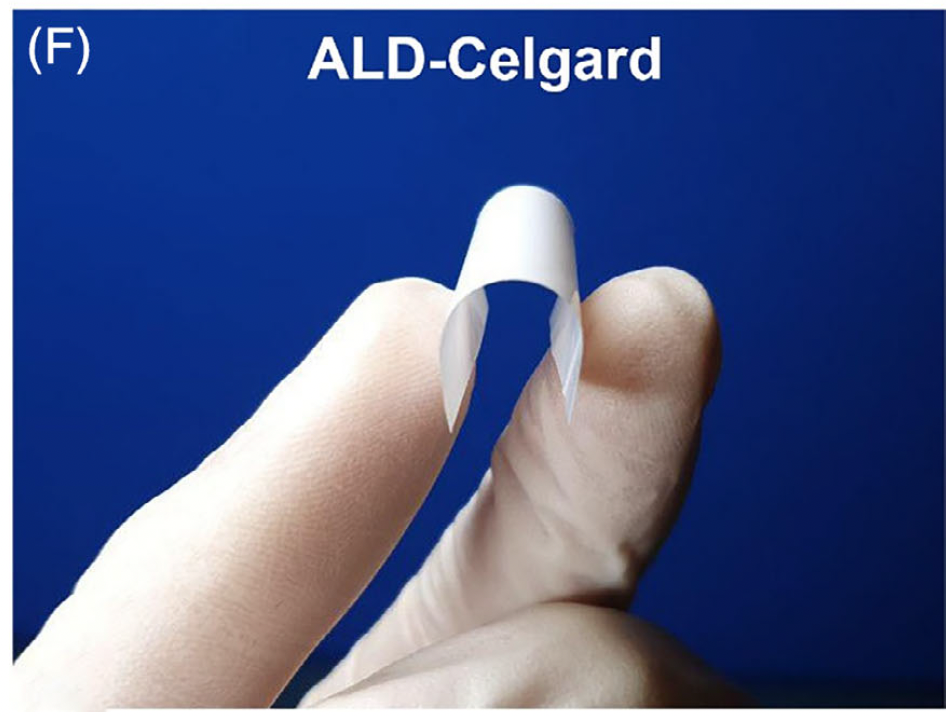
A highly efficient surface modified separator fabricated with atmospheric atomic layer deposition for high temperature lithium ion batteries
Jae-Wook Lee, Afaque Manzoor Soomro, Muhammad Waqas, Muhammad AU Khalid, Kyung H Choi
International Journal of Energy Research, 2020
This study proposes high-throughput production of Al2O3-modified separators using roll-to-roll atmospheric atomic layer deposition (ALD). The resulting separator exhibits excellent wettability, high thermal stability up to 180°C, and improved capacity retention of 79.5% after 100 cycles, significantly outperforming commercial separators in high-temperature lithium-ion battery applications.
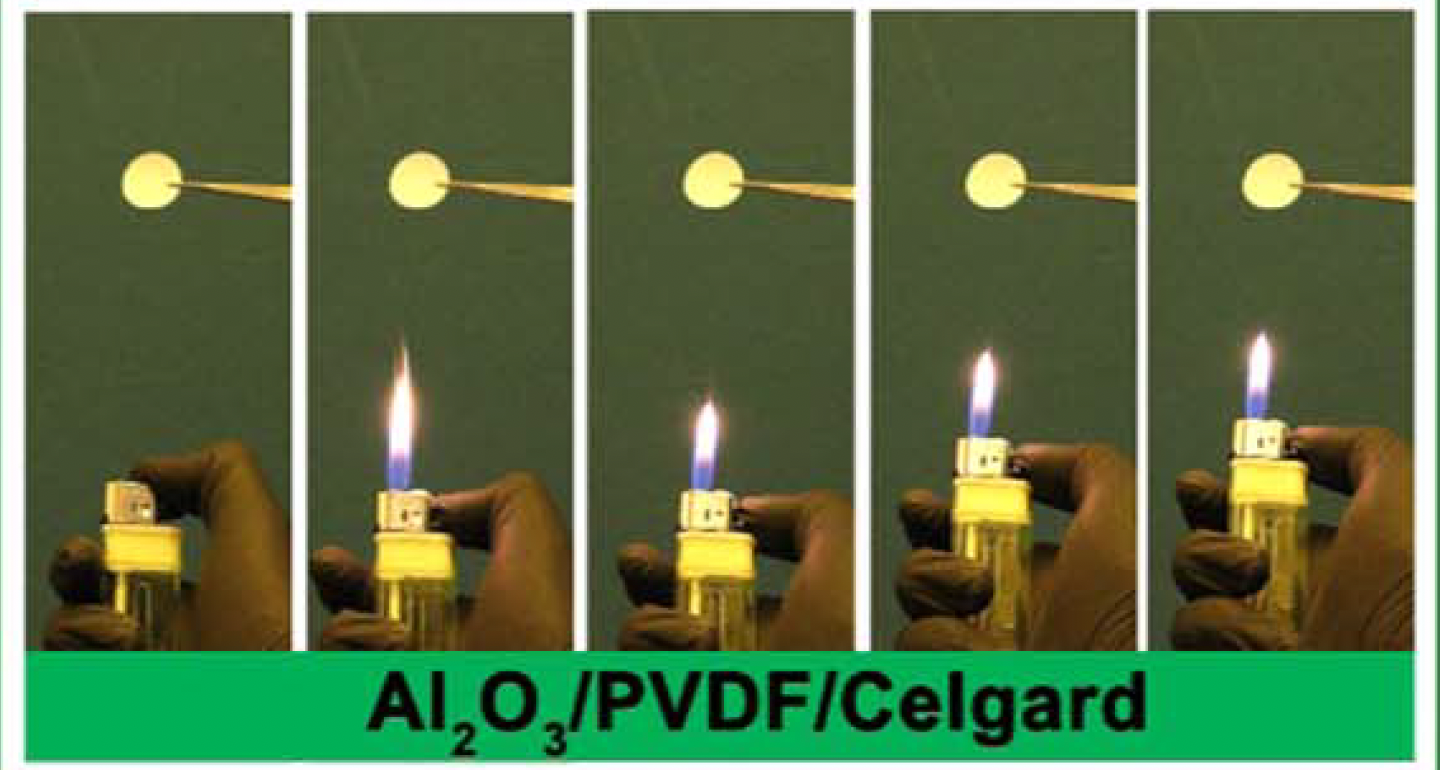
A robust surface-modified separator fabricated with roll-to-roll atomic layer deposition and electrohydrodynamic deposition techniques for high temperature lithium ion batteries
Afaque Manzoor Soomro, Jae-Wook Lee, Muhammad Waqas, Young Su Kim, Muhsin Ali, Muhammad Assad Ullah Khalid, Kyung Hyun Choi
Journal of The Electrochemical Society, 2020
This research introduces a multilayer separator featuring ultrathin PVDF and Al2O3 coatings fabricated via novel roll-to-roll atmospheric ALD and electrohydrodynamic atomization. The resulting separator demonstrates superior electrolyte uptake (256%), high thermal stability up to 180°C, and excellent discharge capacity retention, making it an ideal candidate for high-capacity, high-temperature lithium-ion batteries.
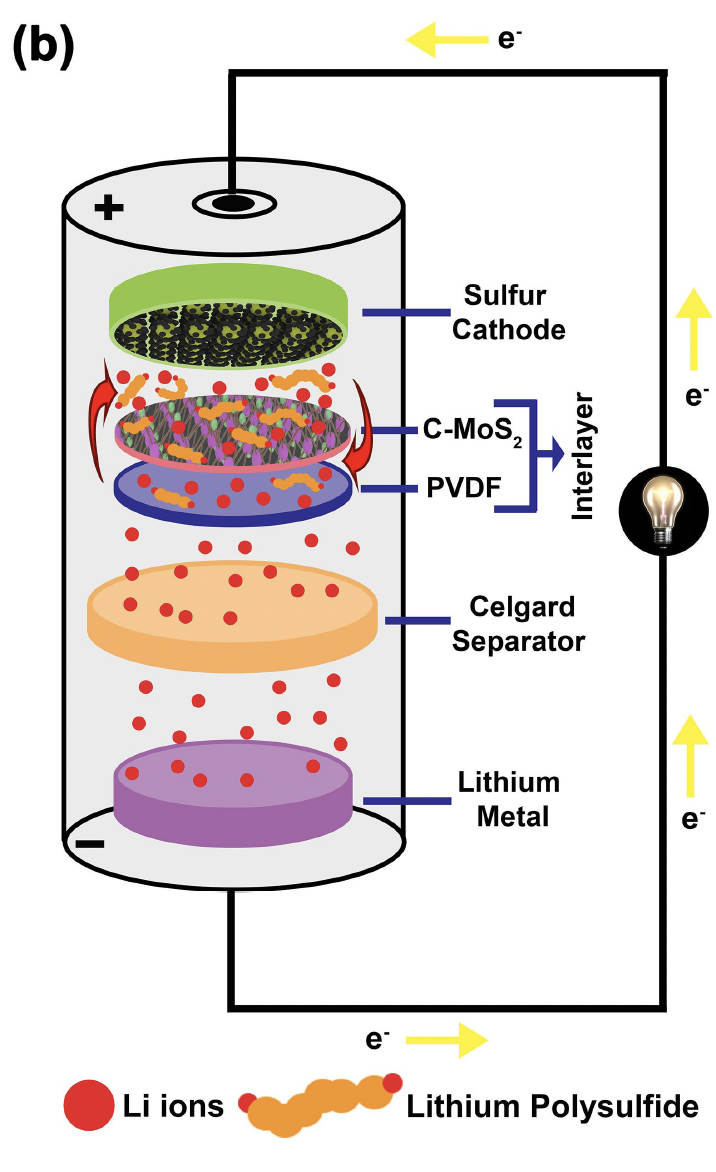
Multifunctional Cathodic Interlayer with Polysulfide Immobilization Mechanism for High-Performance Li-S Batteries
Muhammad Waqas, Afaque Manzoor Soomro, Shamshad Ali, Suresh Kumar, Sattar Chan, Kashif Hussain, Fida Hussain Memon, Shoaib Ahmed Shaikh
ChemistrySelect, 2020
This study details a PVDF//C-MoS2 multifunctional interlayer developed via slide coating to combat the shuttle effect in Li-S batteries. The interlayer achieves a high discharge capacity of 1086 mAh/g with an exceptionally low capacity decay of 0.04% over 1500 cycles, significantly outperforming standard sulfur cathodes.
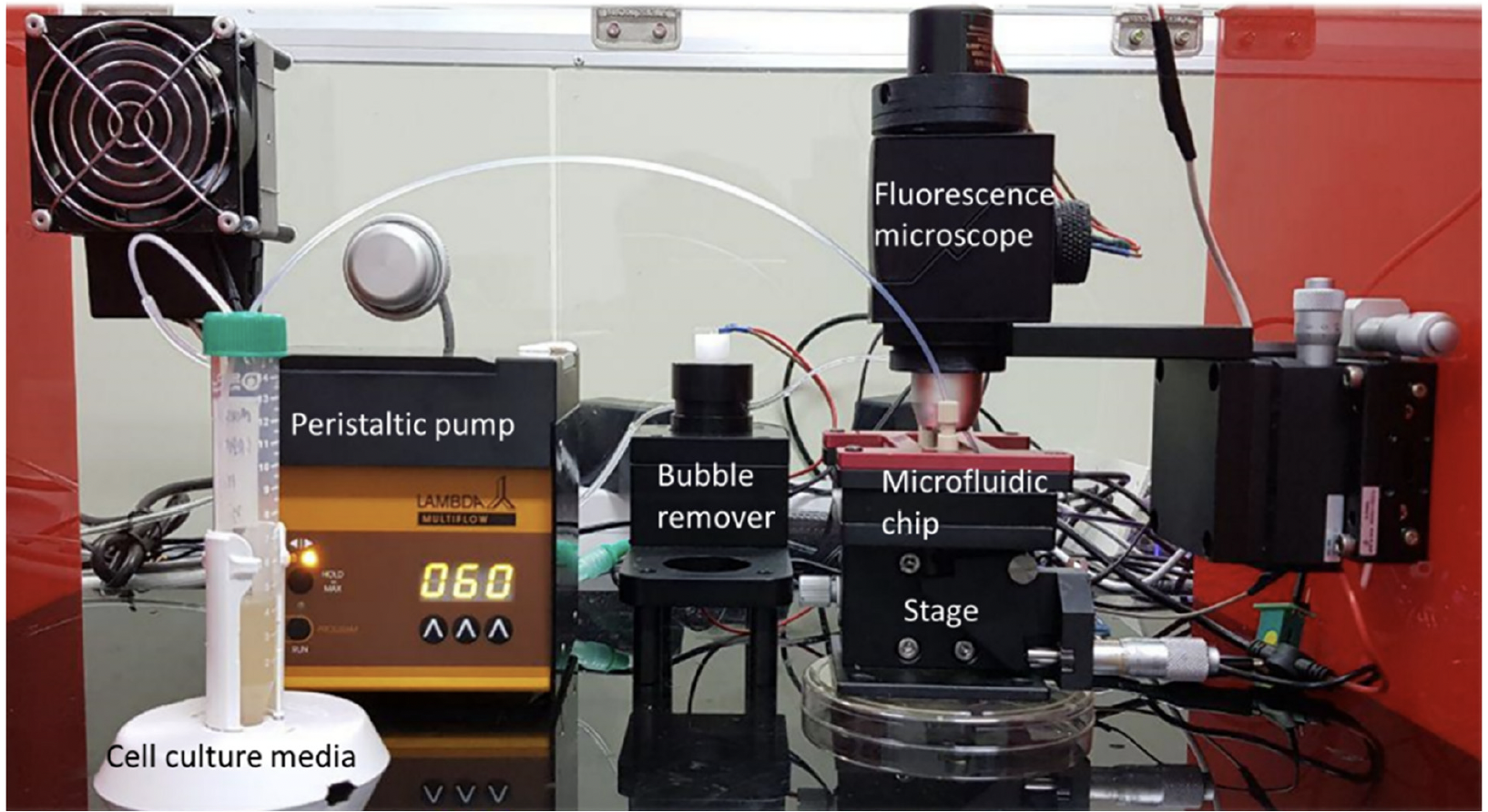
On-chip real-time detection and quantification of reactive oxygen species in MCF-7 cells through an in-house built fluorescence microscope
Muhsin Ali, Young Su Kim, Muhammad Asad Ullah Khalid, Afaque Manzoor Soomro, Jae-Wook Lee, Jong-Hwan Lim, Kyung Hyun Choi, Lee Sang Ho
Microelectronic Engineering, 2020
This study presents a novel on-chip platform featuring a 3D-printed, portable fluorescence microscope for real-time monitoring of reactive oxygen species (ROS) in MCF-7 breast cancer cells. The system offers high-quality imaging and a strong linear correlation for ROS quantification, providing an efficient in-vitro tool for assessing cell cycle progression and drug evaluation.
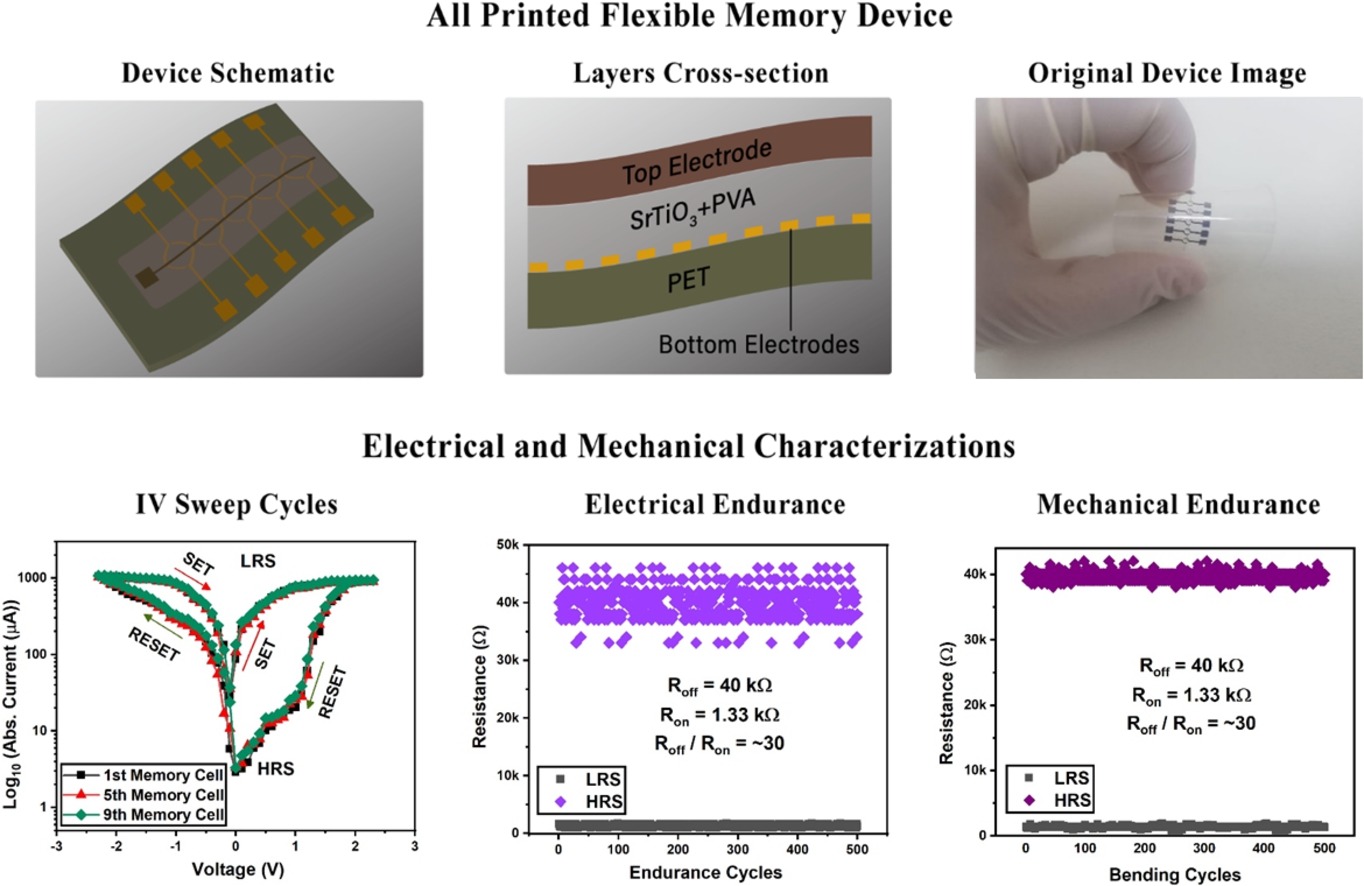
Resistive switching device based on SrTiO3/PVA hybrid composite thin film as active layer
Muhammad Asad Ullah Khalid, Soo Wan Kim, Jaewook Lee, Afaque Manzoor Soomro, Muhammad Muqeet Rehman, Byung-Gul Lee, Kyung Hyun Choi
Polymer, 2020
This work demonstrates a flexible RRAM device using a SrTiO3-PVA hybrid nanocomposite active layer. By combining brittle SrTiO3 with flexible PVA, the device achieves stable bipolar resistive switching with low operating voltages and excellent mechanical robustness, maintaining performance over 500 bending cycles.
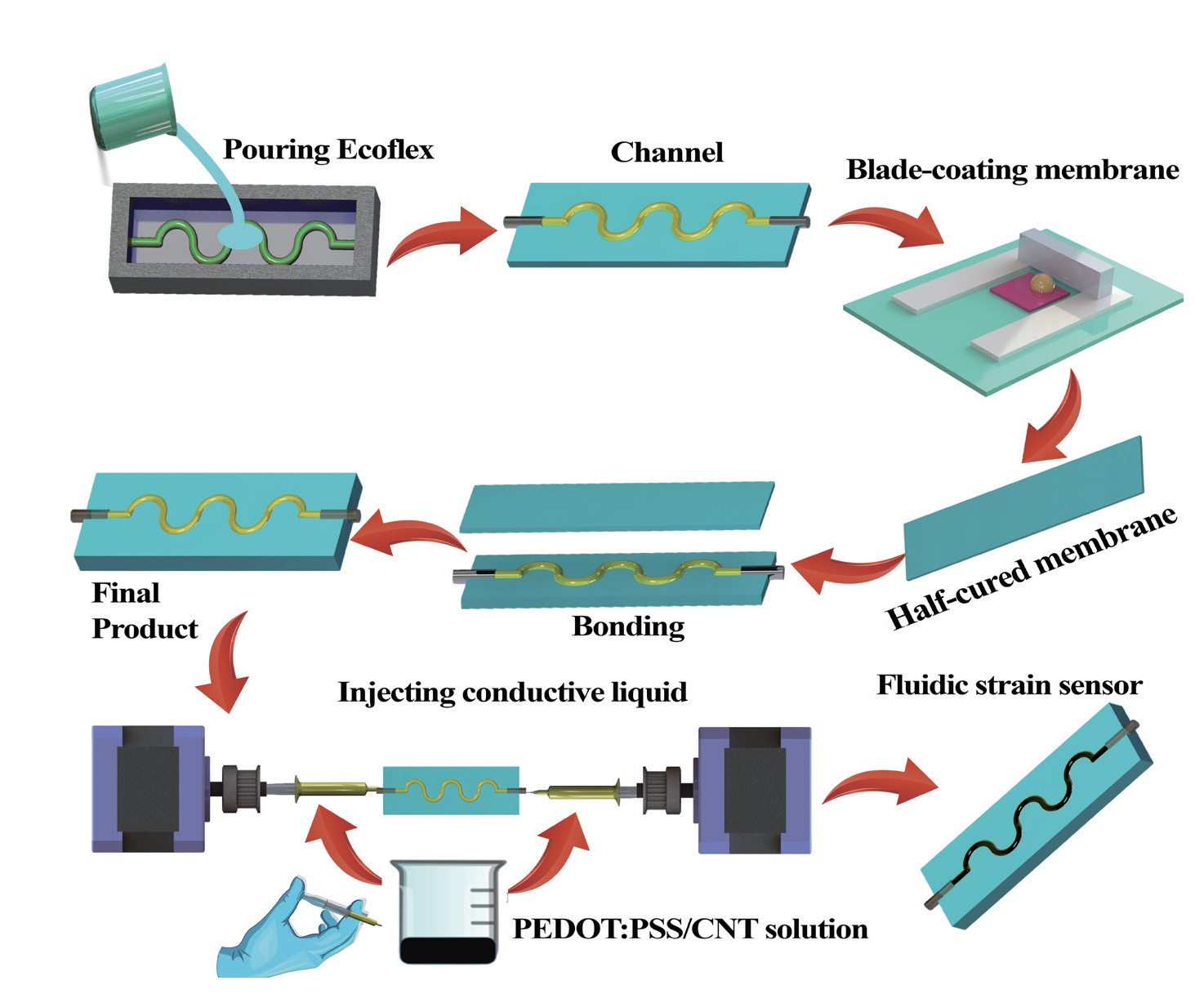
Robust fluidic biocompatible strain sensor based on PEDOT: PSS/CNT composite for human-wearable and high-end robotic applications
Faiza Jabbar, Afaque Manzoor Soomro, Jae-wook Lee, Muhsin Ali, Young Su Kim, Sang-ho Lee, Kyung Hyun Choi
Sensors and Materials, 2020
This work introduces a highly sensitive fluidic strain sensor utilizing a biocompatible PEDOT:PSS/MWCNT composite. The 3D-printed sinusoidal channel design achieves a gauge factor of 89.4 and exceptional stability across full humidity ranges, with proven applications in high-end robotics and wearable electronics.
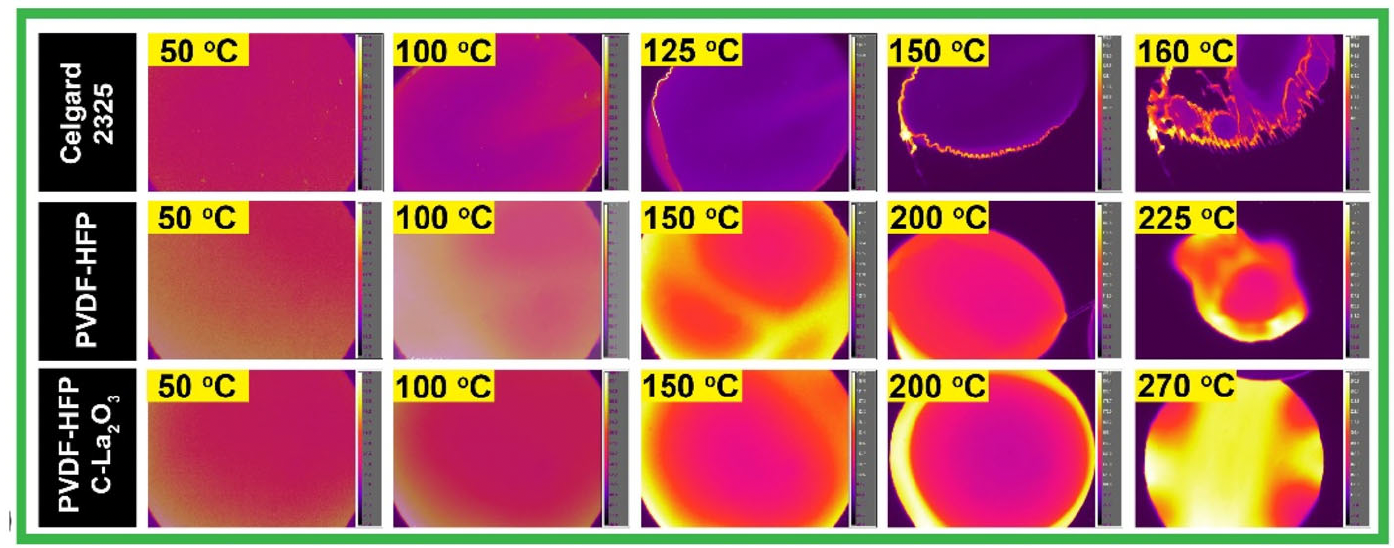
A highly efficient composite separator embedded with colloidal lanthanum oxide nanocrystals for high-temperature lithium-ion batteries
Muhammad Waqas, Afaque Manzoor Soomro, Shamshad Ali, Hina Ashraf, Abdul Sattar Chan, Suresh Kumar, Kyung Hyun Choi
International Journal of Energy Research, 2021
This study introduces a PVDF-HFP/colloidal La2O3 composite separator that achieves exceptional thermal stability with only 6.2% shrinkage at 150°C. The separator exhibits high electrolyte uptake (238%) and ionic conductivity, maintaining 98% capacity retention after 100 cycles at elevated temperatures, making it a robust candidate for high-temperature lithium-ion batteries.
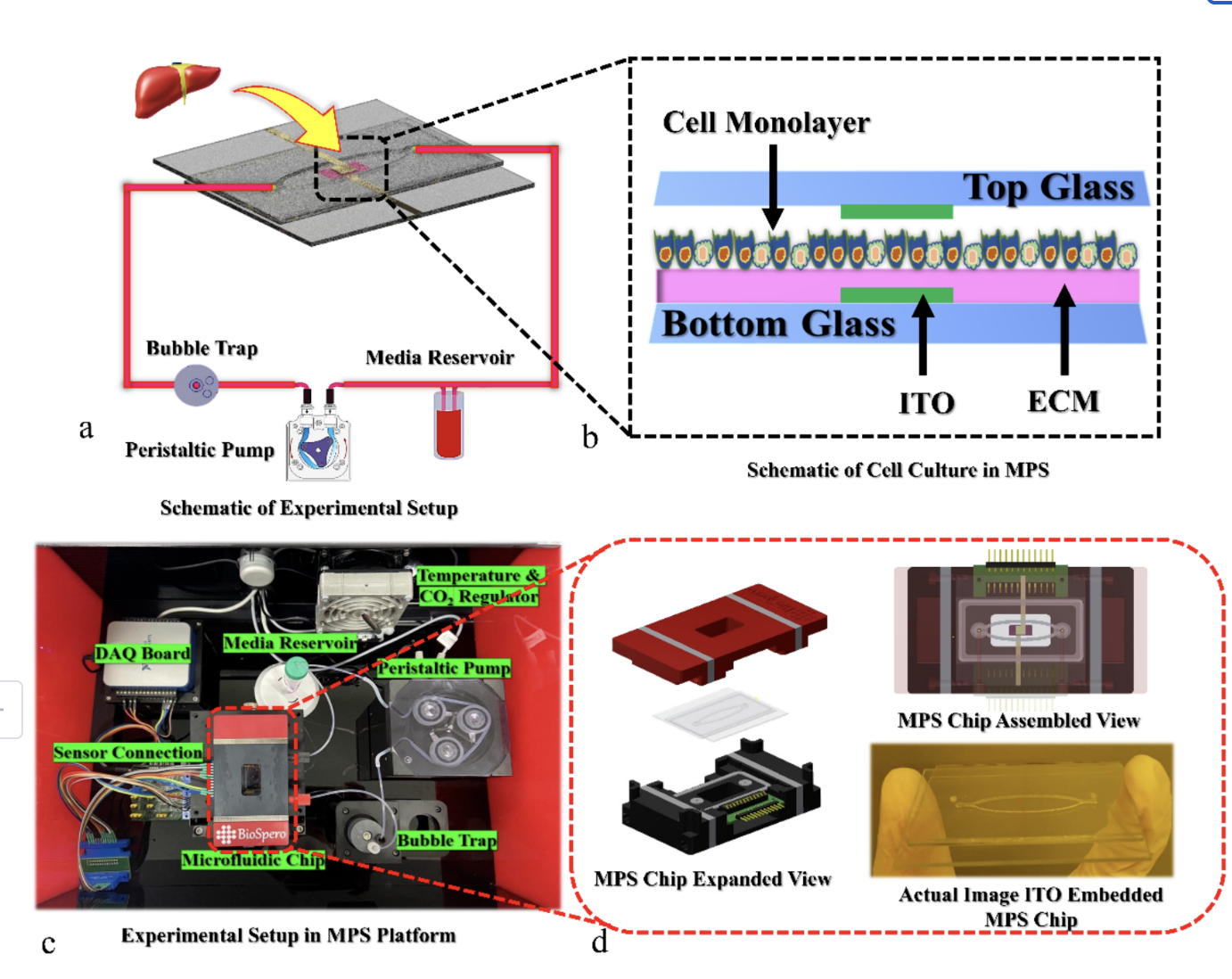
Extracellular matrix optimization for enhanced physiological relevance in hepatic tissue-chips
Abdul Rahim Chethikkattuveli Salih, Kinam Hyun, Arun Asif, Afaque Manzoor Soomro, Hafiz Muhammad Umer Farooqi, Young Su Kim, Kyung Hwan Kim, Jae Wook Lee, Dongeun Huh, Kyung Hyun Choi
Polymers, 2021
This study optimizes ECM coatings—including Matrigel, collagen, and fibronectin—to enhance the physiological relevance of hepatic microphysiological systems (MPS). By integrating TEER sensors and intensity-based image processing, the research provides a standardized framework for improving tissue formation and drug screening accuracy in liver-on-a-chip platforms.
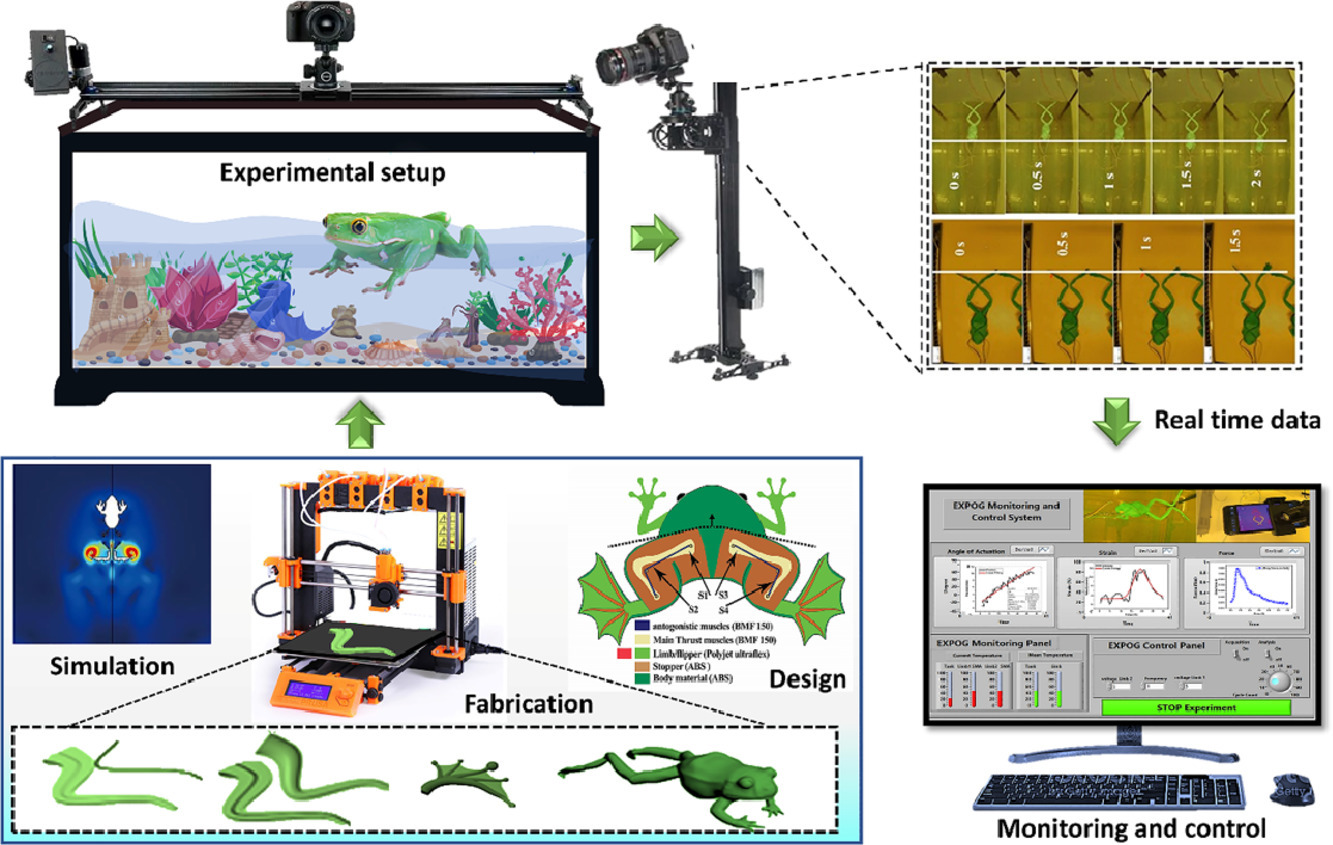
Fully 3D printed multi-material soft bio-inspired frog for underwater synchronous swimming
Afaque Manzoor Soomro, Fida Hussain Memon, Jae-Wook Lee, Faheem Ahmed, Kyung Hwan Kim, Young Su Kim, Kyung Hyun Choi
International Journal of Mechanical Sciences, 2021
This research introduces EXPOG, a soft bio-inspired robotic frog utilizing SMA-based artificial muscles and multi-material 3D printing. The robot achieves synchronous swimming via an antagonistic SMA configuration, reaching speeds of 15 mm/s with a motion profile that closely mimics the real dynamics of Rana Esculenta.
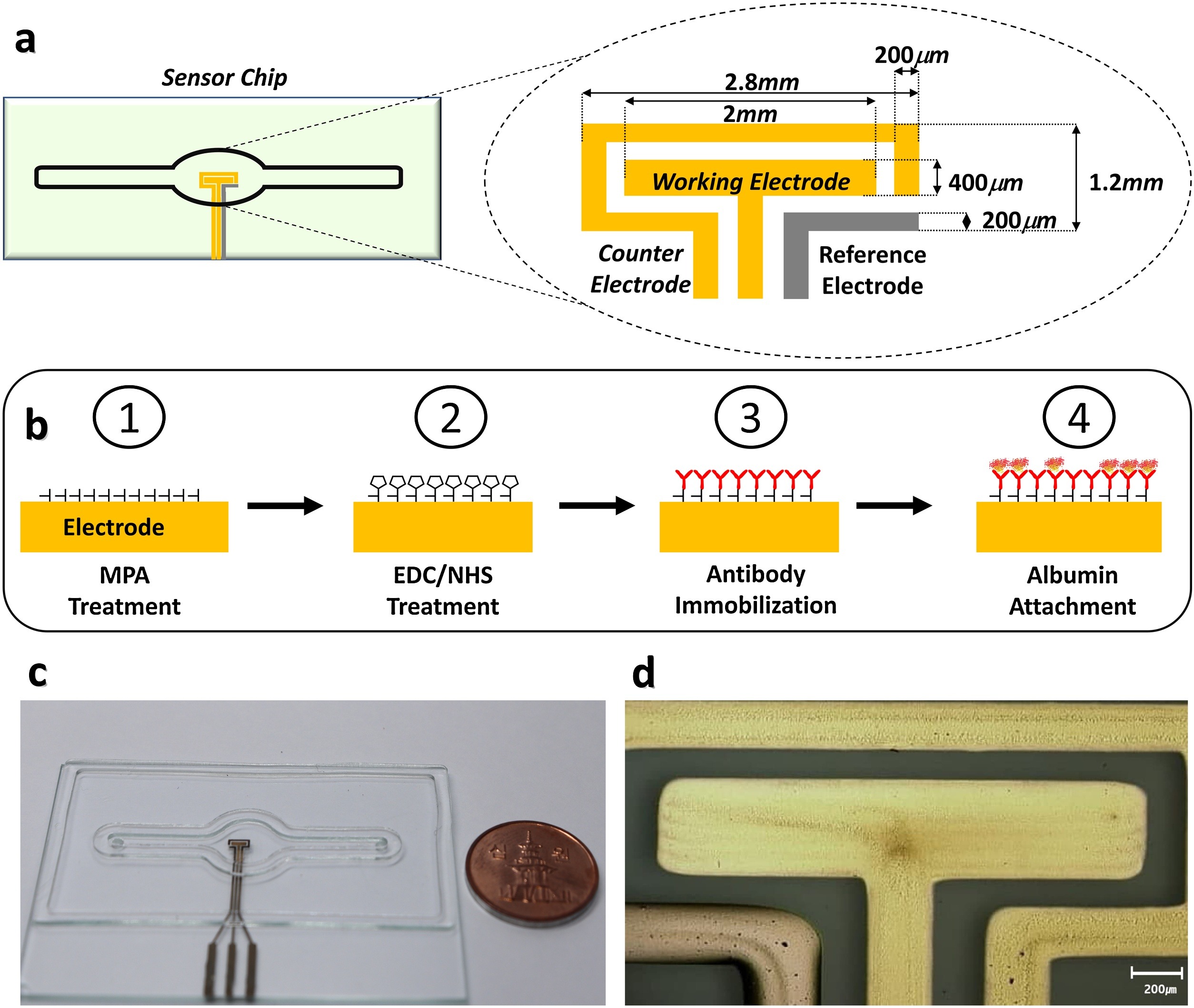
Microphysiological system with continuous analysis of albumin for hepatotoxicity modeling and drug screening
Arun Asif, Sung Hyuk Park, Afaque Manzoor Soomro, Muhammad Asad Ullah Khalid, Abdul Rahim Chattikatikatuveli Salih, Bohye Kang, Faheem Ahmed, Kyung Hwan Kim, Kyung Hyun Choi
Journal of Industrial and Engineering Chemistry, 2021
This work details the development of a microfluidic albumin immunosensor integrated with a liver-on-a-chip system for real-time hepatotoxicity monitoring. The gold-electrode electrochemical sensor enables continuous feedback on liver health during drug screening, achieving a detection limit of 1 μg/ml and providing a promising platform for biomimetic drug assessment.
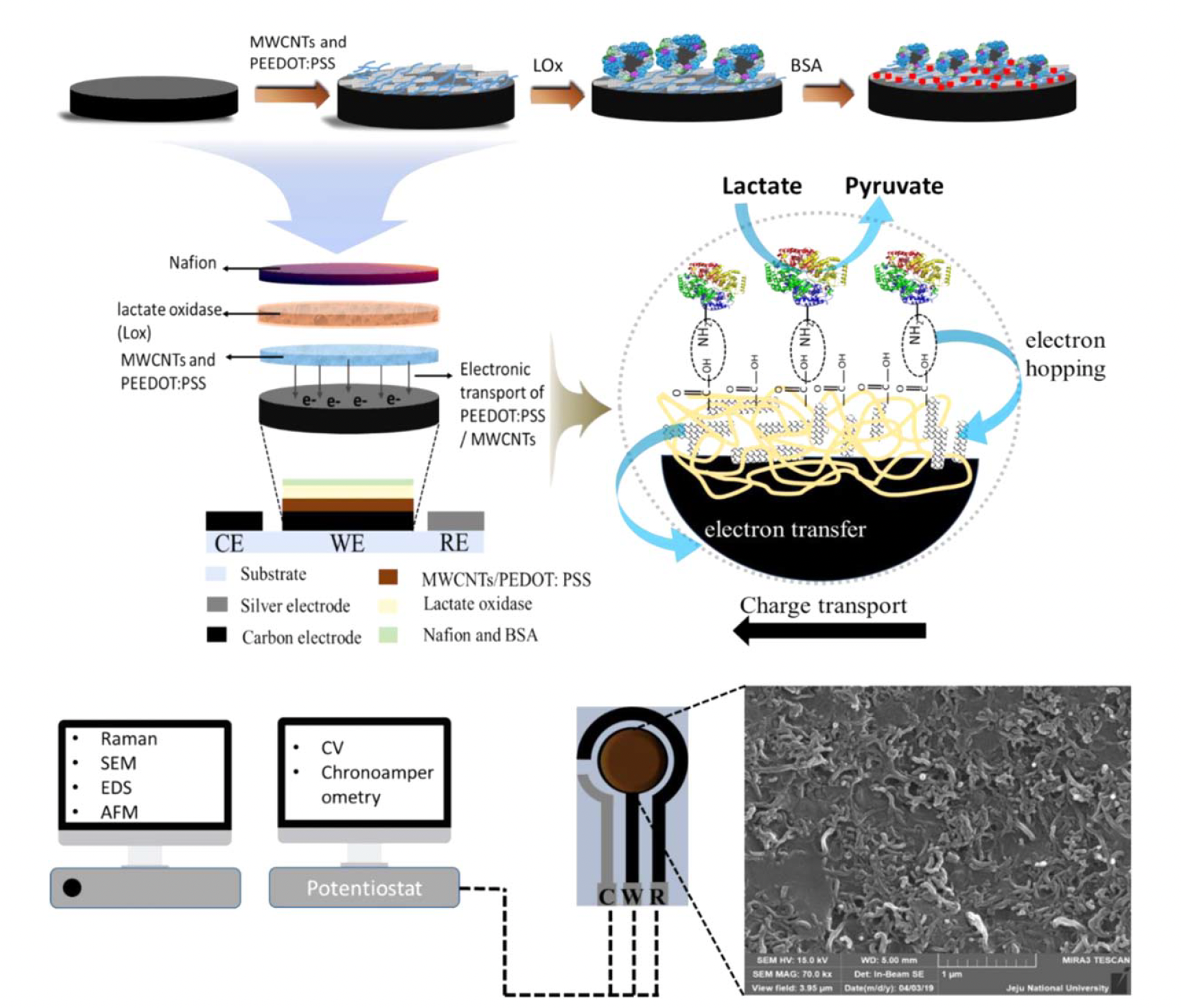
MWCNTs/PEDOT: PSS composite as guiding layer on screen-printed carbon electrode for linear range lactate detection
Muhsin Ali, Muhammad Asad Ullah Khalid, Young Su Kim, Afaque Manzoor Soomro, Saddam Hussain, Yang Hoi Doh, Kyung Hyung Choi
Journal of the Electrochemical Society, 2021
This study demonstrates a high-performance lactate biosensor using a MWCNT/PEDOT:PSS composite as a guiding layer on screen-printed carbon electrodes. The sensor exhibits high sensitivity (35.224 μA mM⁻¹) and a low detection limit of 4.0 μM, offering a robust platform for real-time metabolite monitoring in cancer cell media and organ-on-a-chip applications.
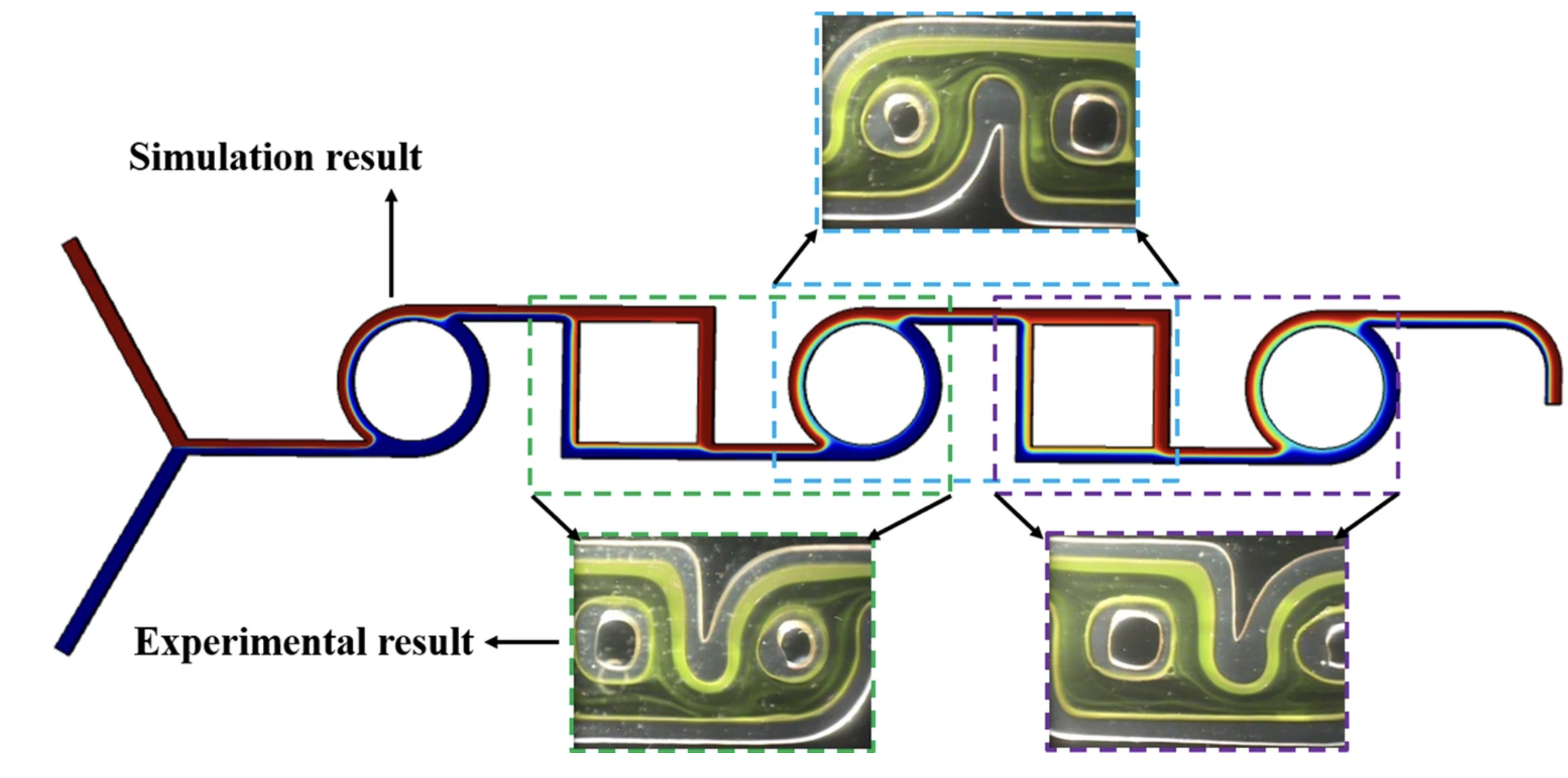
Numerical and experimental investigation of Y-shaped micromixers with mixing units based on cantor fractal structure for biodiesel applications
Imran Shah, Shahid Aziz, Afaque Manzoor Soomro, Kyunghwan Kim, Soo Wan Kim, Kyung Hyun Choi
Microsystem Technologies, 2021
This study evaluates three novel micromixer designs (YCMSAR, YSMSAR, and YCSMSAR) based on cantor fractal structures for biodiesel synthesis intensification. The YCSMSAR design achieved a near-perfect mixing index of 99.9% at Re=100, demonstrating highly efficient transesterification of sunflower oil at room temperature.
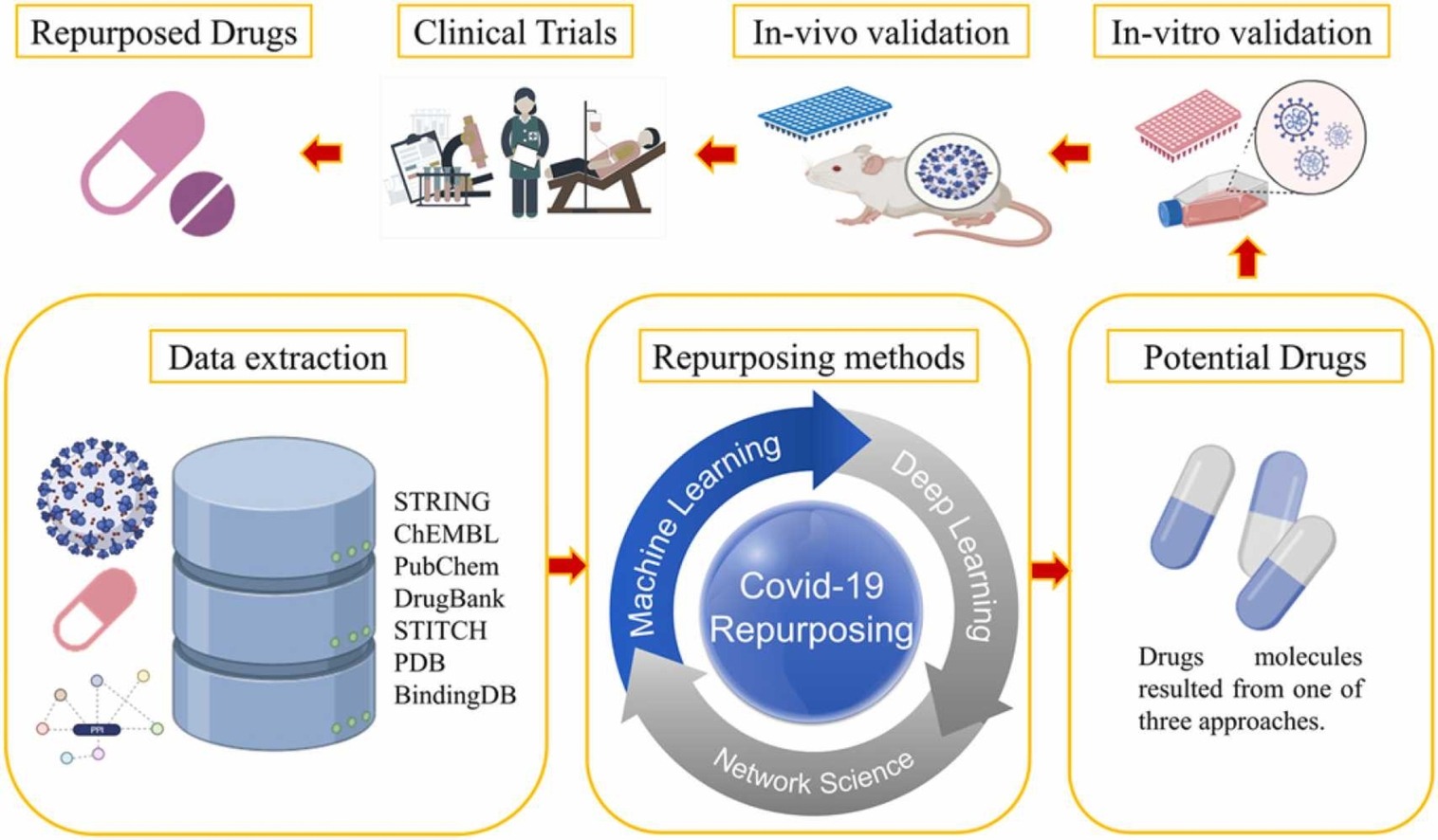
A comprehensive review of artificial intelligence and network based approaches to drug repurposing in Covid-19
Faheem Ahmed, Afaque Manzoor Soomro, Abdul Rahim Chethikkattuveli Salih, Anupama Samantasinghar, Arun Asif, In Suk Kang, Kyung Hyun Choi
Biomedicine and Pharmacotherapy, 2022
This comprehensive review explores AI and network-based strategies for rapid drug repurposing to combat COVID-19. It details the application of network proximity, diffusion, and deep learning models to model biological interactions, providing a roadmap for reducing the time and financial risks associated with traditional de novo drug discovery.
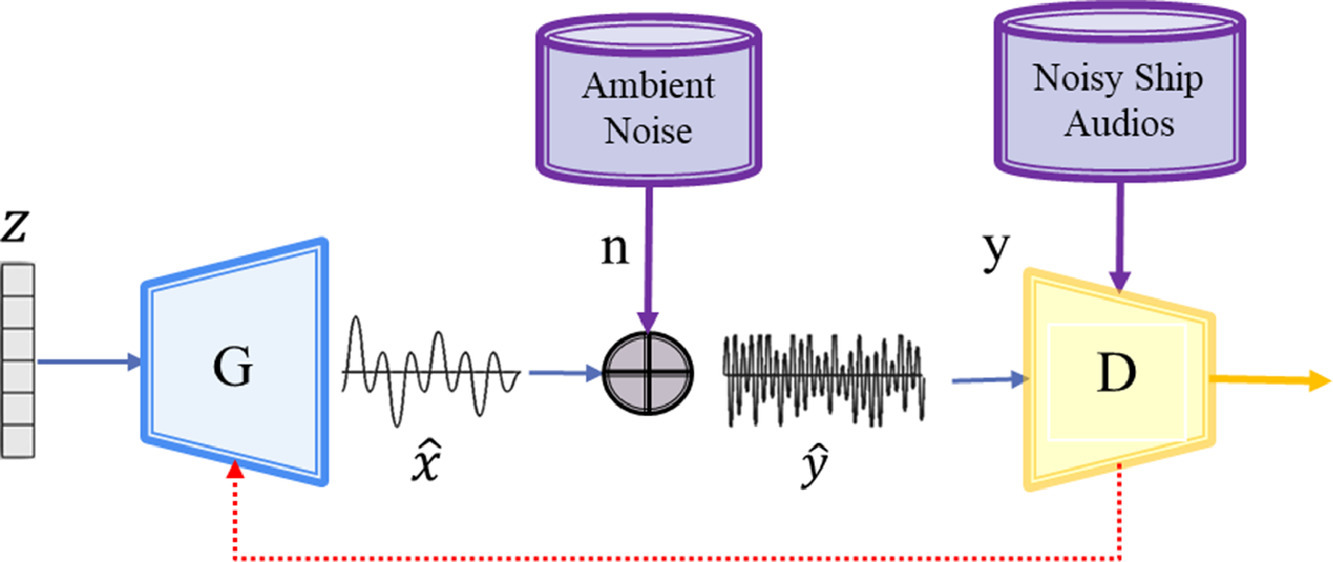
Ambient-noise free generation of clean underwater ship engine audios from hydrophones using generative adversarial networks
Hina Ashraf, Babar Shah, Afaque Manzoor Soomro, Qurat-ul-Ain Safdar, Zahid Halim, Said Khalid Shah
Computers and Electrical Engineering, 2022
This study proposes AN-GAN, a specialized Generative Adversarial Network for denoising underwater ship engine acoustics. By effectively removing background ambient noise from hydrophone recordings, the framework significantly outperforms conventional statistical methods, achieving up to 247% improvement over traditional wavelet and EMD techniques.
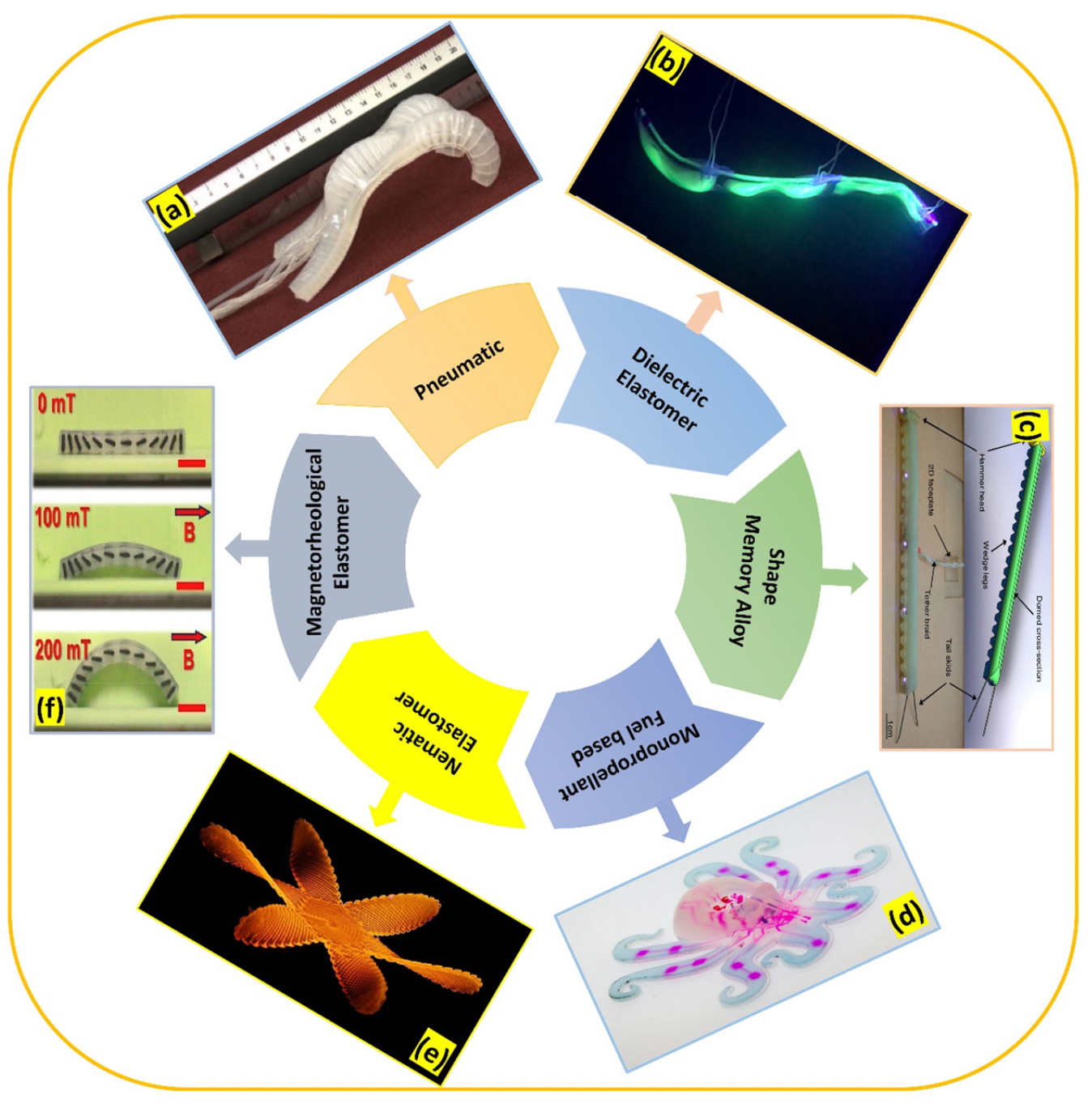
Decade of bio-inspired soft robots: A review
Faheem Ahmed, Muhammad Waqas, Bushra Jawed, Afaque Manzoor Soomro, Suresh Kumar, Ashraf Hina, Umair Khan, Kyung Hwan Kim, Kyung Hyun Choi
Smart Materials and Structures, 2022
This comprehensive review analyzes the evolution of soft robotics over the last decade, focusing on six key actuation methodologies: pneumatic, SMA, dielectric elastomers, chemical-reaction, and magneto-rheological elastomers. It provides a chronological evaluation of power efficiency, frequency, and biomimetic locomotive patterns for next-generation environmental adaptability.
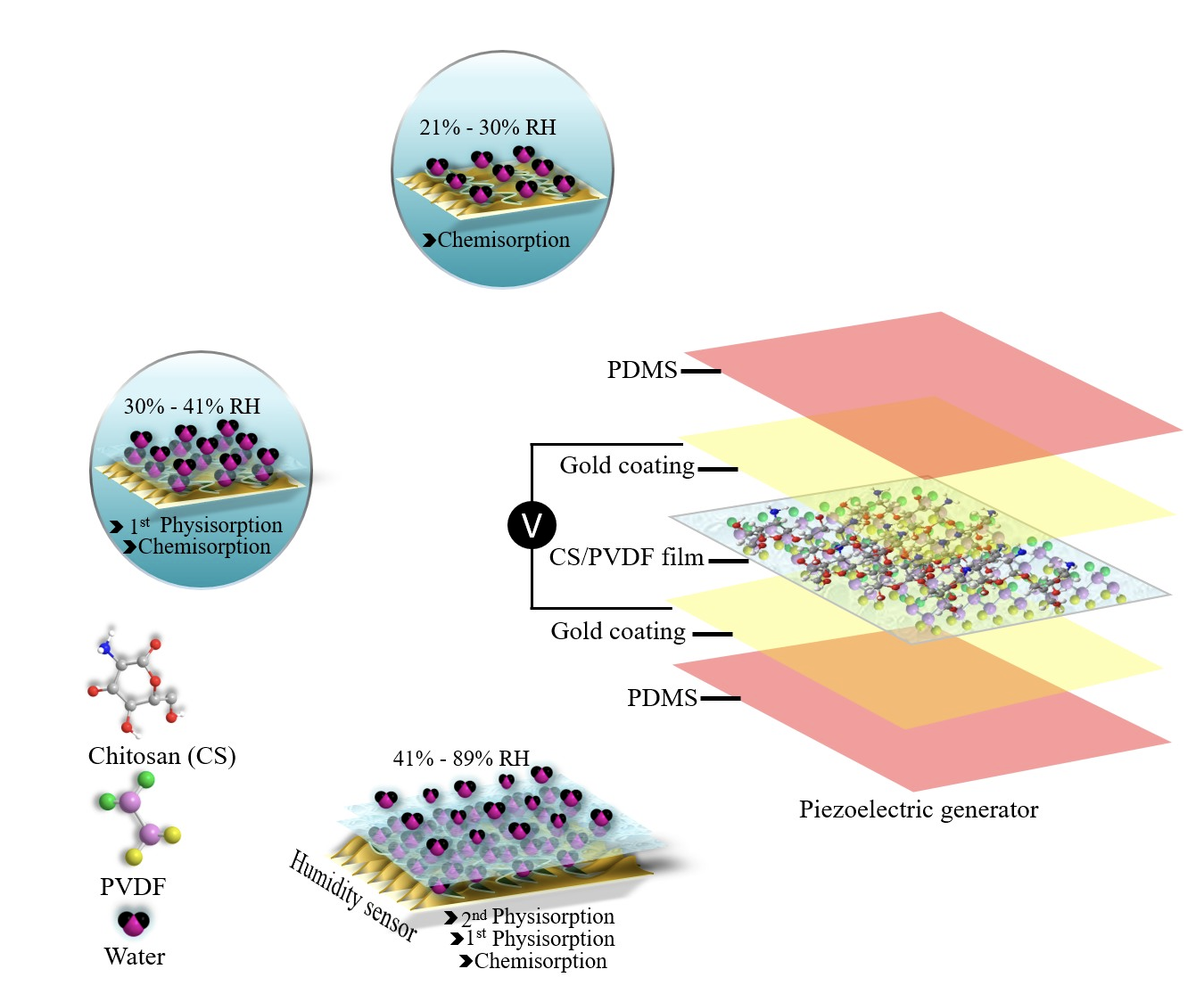
Design and fabrication of a robust chitosan/polyvinyl alcohol-based humidity sensor energized by a piezoelectric generator
Zeeshan, Afaque Manzoor Soomro, Sungbo Cho
Energies, 2022
This work presents a self-powered humidity sensing system utilizing a chitosan/PVA composite film energized by a PVDF-chitosan piezoelectric generator. The system demonstrates a linear response (R² = 0.981) across a wide range of 21–89% RH, producing a maximum output of 16.2 V without the need for external power sources.
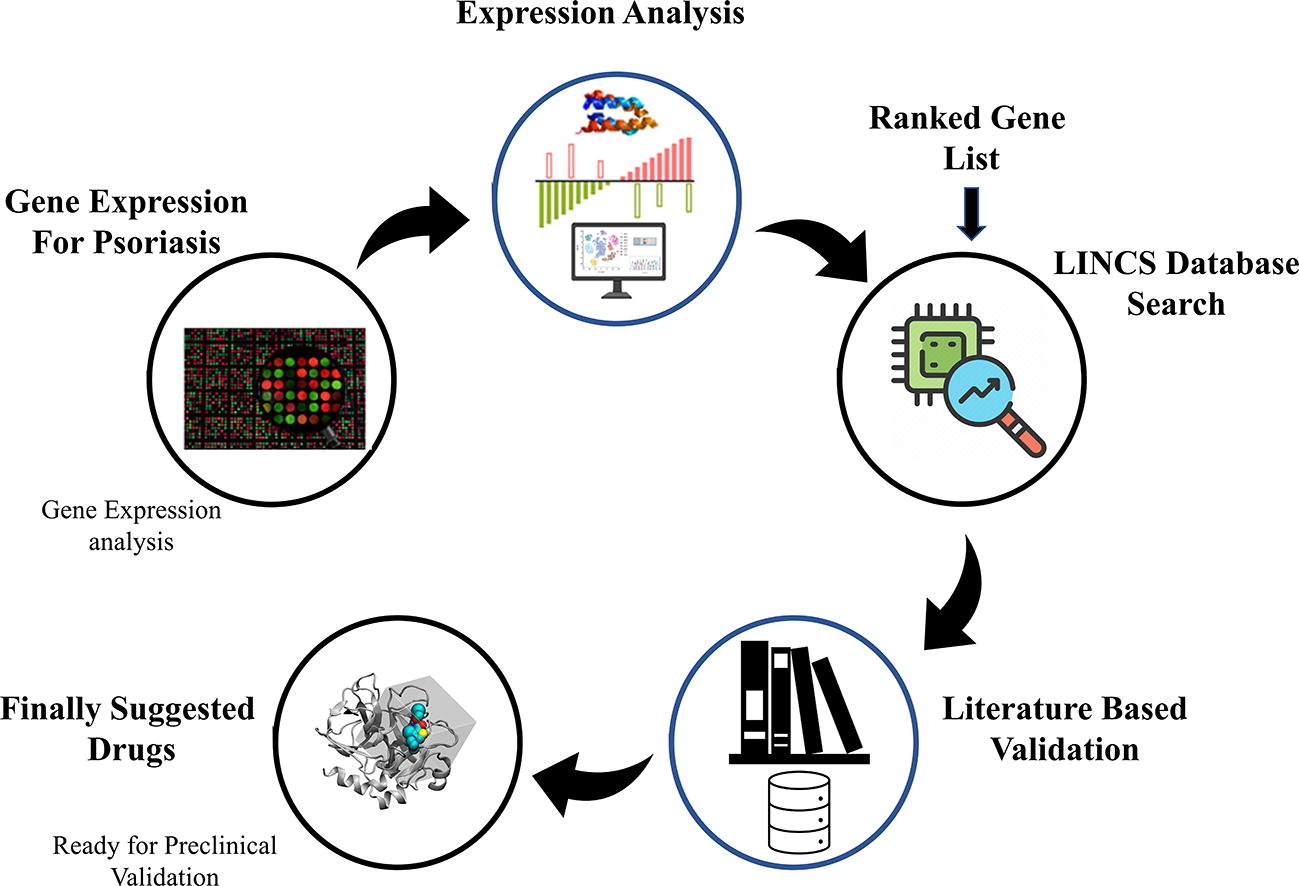
Drug repurposing in psoriasis, performed by reversal of disease-associated gene expression profiles
Faheem Ahmed, Son Gi Ho, Anupama Samantasinghar, Fida Hussain Memon, Abdul Rahim Chethikkattuveli Salih, Afaque Manzoor Soomro, Naina Sunildutt, Kyung Hwan Kim, Kyung Hyun Choi
Computational and Structural Biotechnology Journal, 2022
This study utilizes a computational drug repurposing framework to identify anti-psoriasis treatments by reversing disease-associated gene expression signatures. By analyzing GEO datasets and CMap perturbagens, the research successfully validated dozens of potential drug candidates through literature and clinical data, offering a rapid approach for therapeutic discovery.
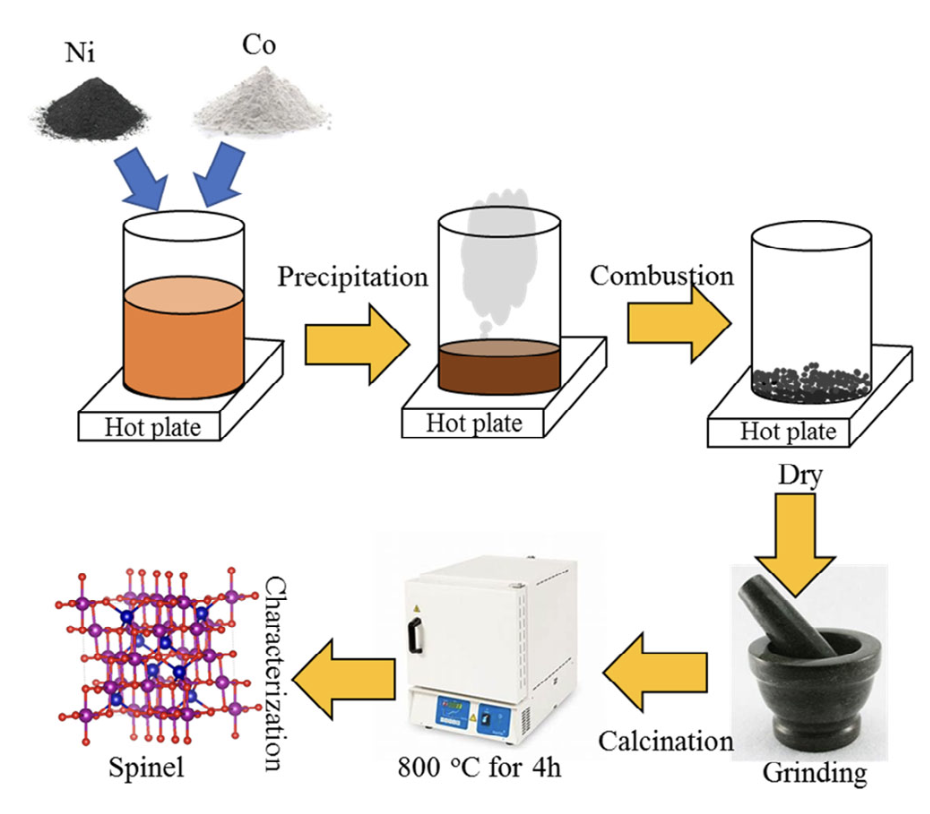
Electrochemical performance of NiCo2O4 spinel cathodes for intermediate temperature solid oxide fuel cells
Imdadullah Thaheem, Shamshad Ali, Muhammad Waqas, Ayaz Hussain, Afaque Manzoor Soomro, Zuhaibuddin Bhutto, Syed Ali Raza Shah, Wazir Muhammad, Jalal Shah
physica status solidi (a), 2022
This study investigates the electrochemical properties and performance of NiCo2O4 spinel-structured cathodes for intermediate-temperature solid oxide fuel cells (IT-SOFCs). The research explores the material’s structural stability and catalytic activity, aiming to improve oxygen reduction reaction (ORR) efficiency at reduced operating temperatures.
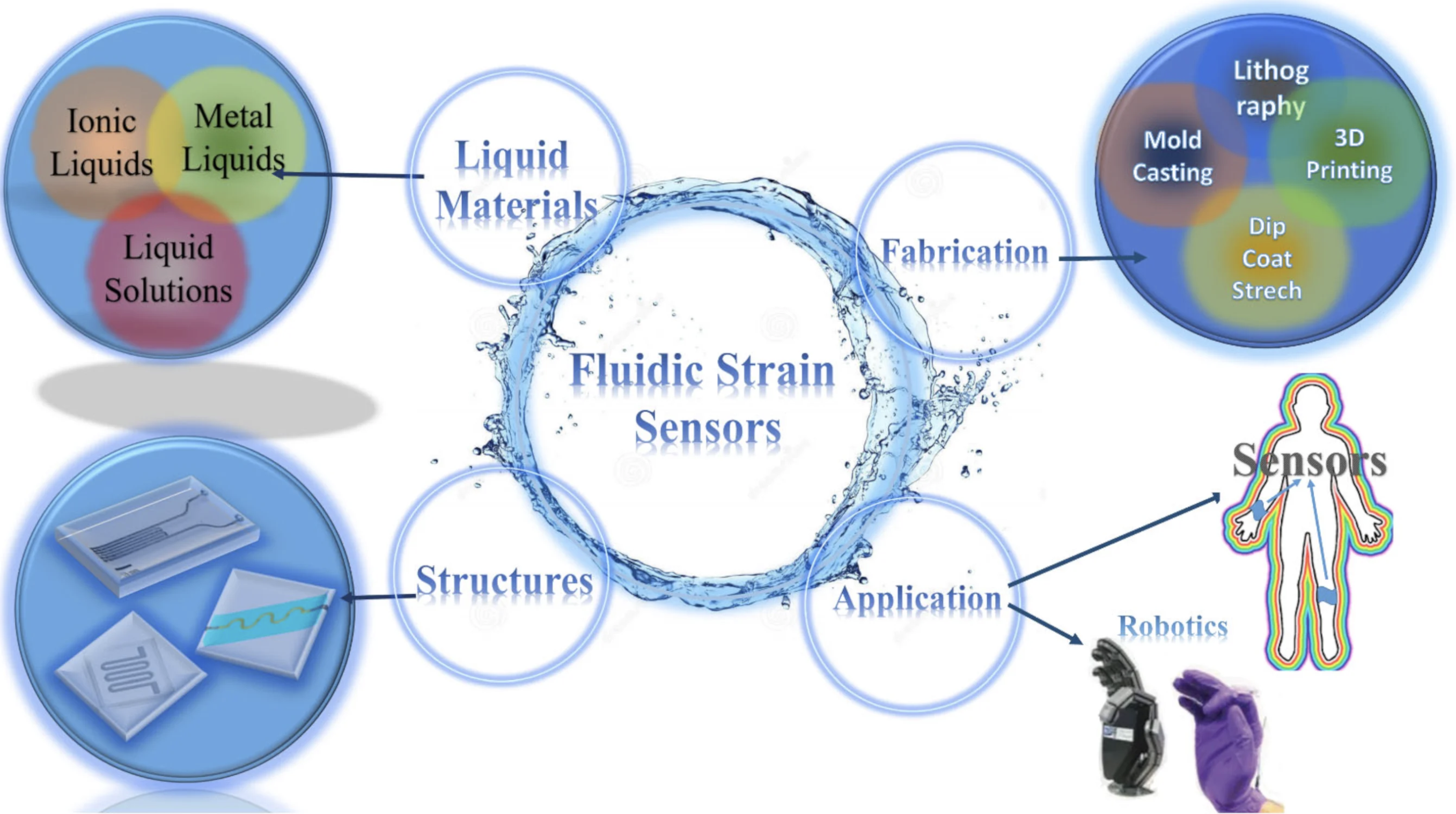
Flexible fluidic-type strain sensors for wearable and robotic applications fabricated with novel conductive liquids: A review
Afaque Manzoor Soomro, Bushra Jawed, Jahangeer Badar Soomro, Jamshed Ahmed Ansari, Faheem Ahmed, Muhammad Waqas, Hina Ashraf, Suhail Almani
Electronics, 2022
This comprehensive review explores the decade-long development of fluidic-type flexible strain sensors. It systematically categorizes conductive liquids, channel architectures, and fabrication techniques, highlighting the advantages of liquid-state sensing—such as high flexibility and broad electrochemical windows—for next-generation electronic skins and robotics.
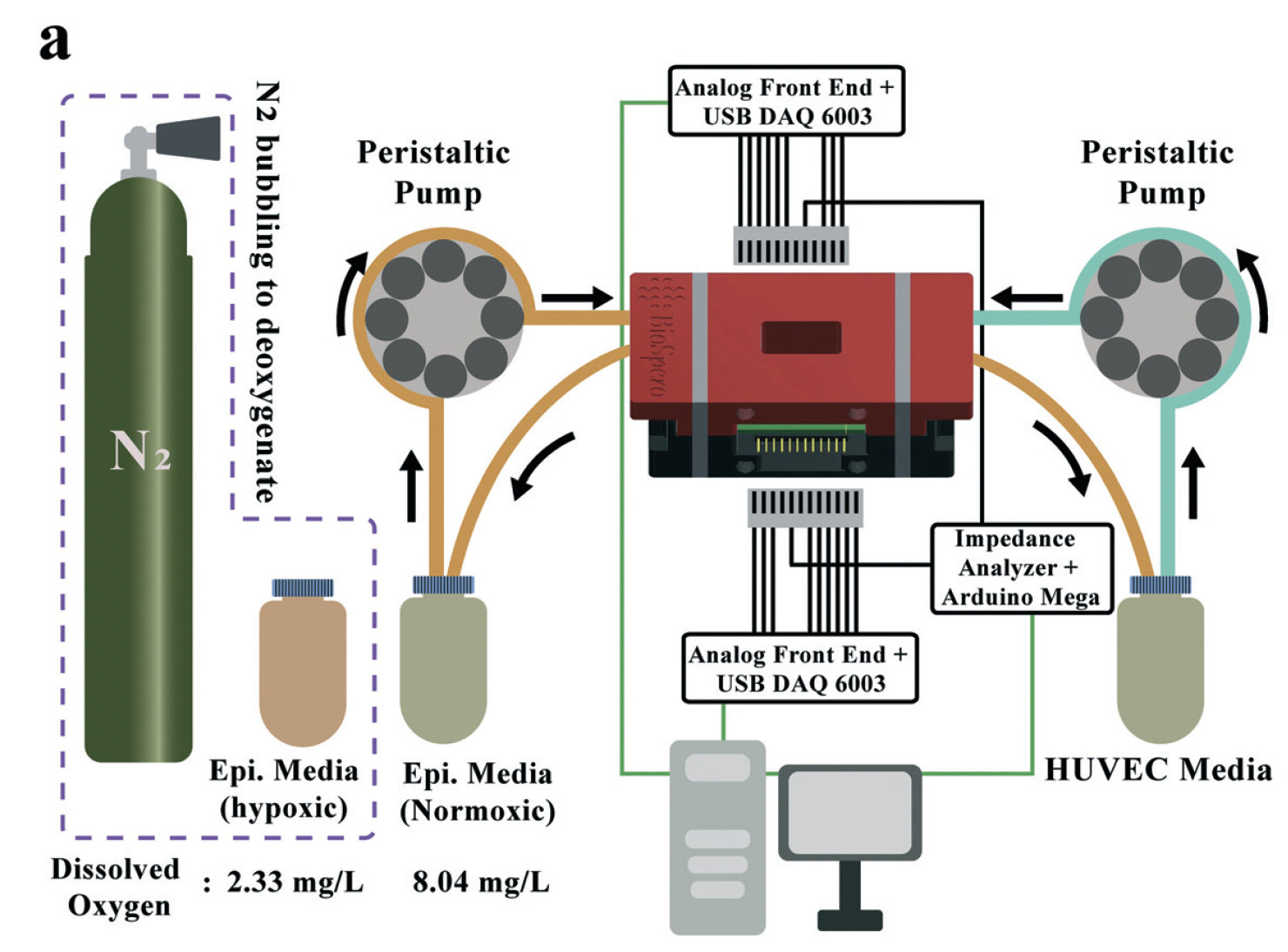
High performance inkjet printed embedded electrochemical sensors for monitoring hypoxia in a gut bilayer microfluidic chip
Muhammad Asad Ullah Khalid, Kyung Hwan Kim, Abdul Rahim Chethikkattuveli Salih, Kinam Hyun, Sung Hyuk Park, Bohye Kang, Afaque Manzoor Soomro, Muhsin Ali, Yesl Jun, Dongeun Huh, Kyung Hyun Choi
Lab on a Chip, 2022
This work features inkjet-printed electrochemical sensors embedded in a gut bilayer chip for real-time hypoxia monitoring. The platform enables 6-day continuous tracking of dissolved oxygen and ROS levels, integrated with a TEEI sensor to quantify tight junction dynamics, providing a robust tool for toxicity testing and disease modeling.
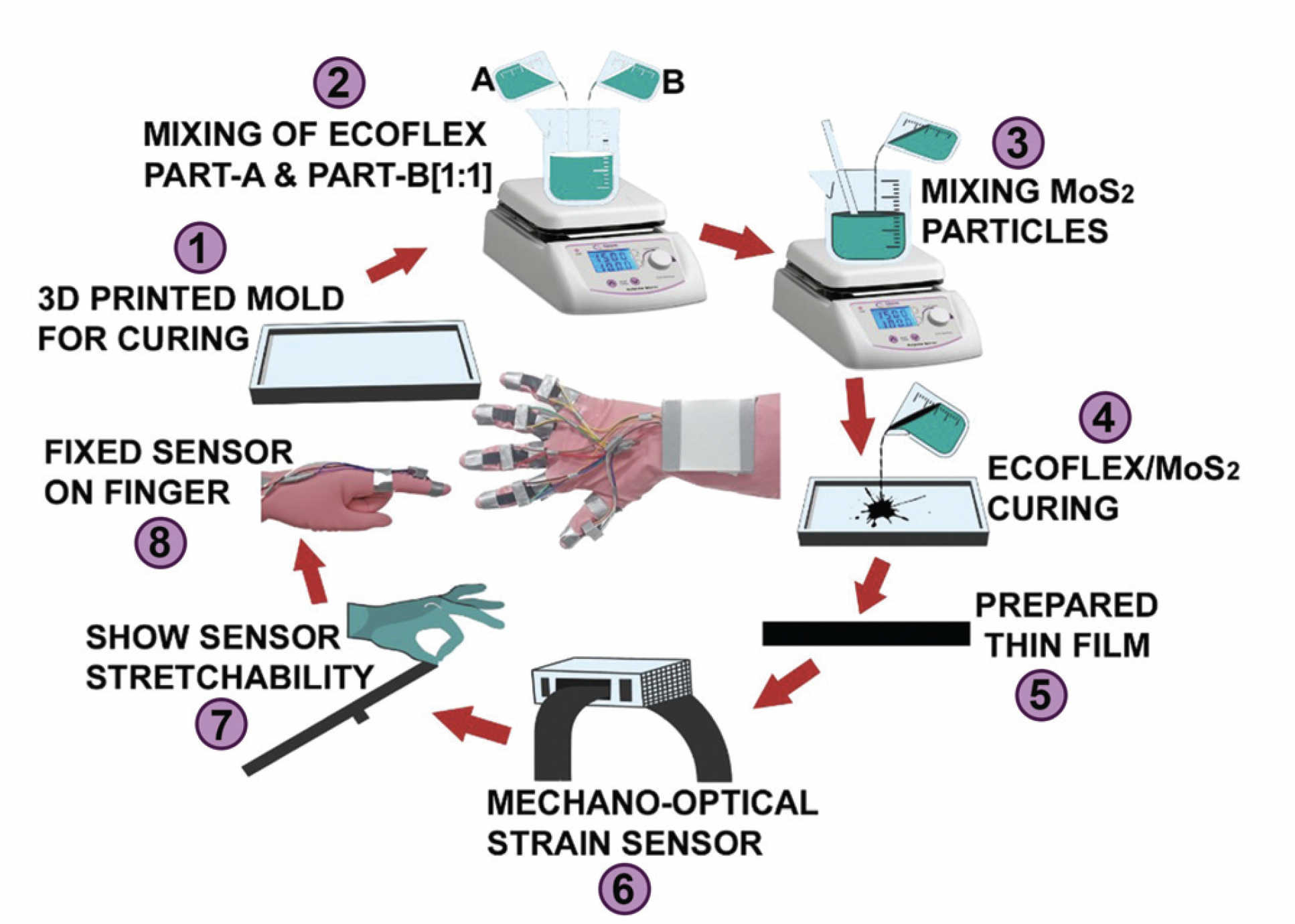
Highly sensitive mechano-optical strain sensors based on 2D materials for human wearable monitoring and high-end robotic applications
Haris Khan, Afaque Manzoor Soomro, Abdul Samad, Muhammad Waqas, Hina Ashraf, Saeed Ahmed Khan, Kyung Hyun Choi
Journal of Materials Chemistry C, 2022
This research introduces a novel mechano-optical strain sensor that utilizes the modulated transmittance of Ecoflex/MoS2 microcracks to overcome electromagnetic interference. Integrated with a wireless ESP32 readout system, the sensor demonstrates excellent linearity and stability over 1000 cycles, with practical demonstrations in human motion tracking and NAO robot control.
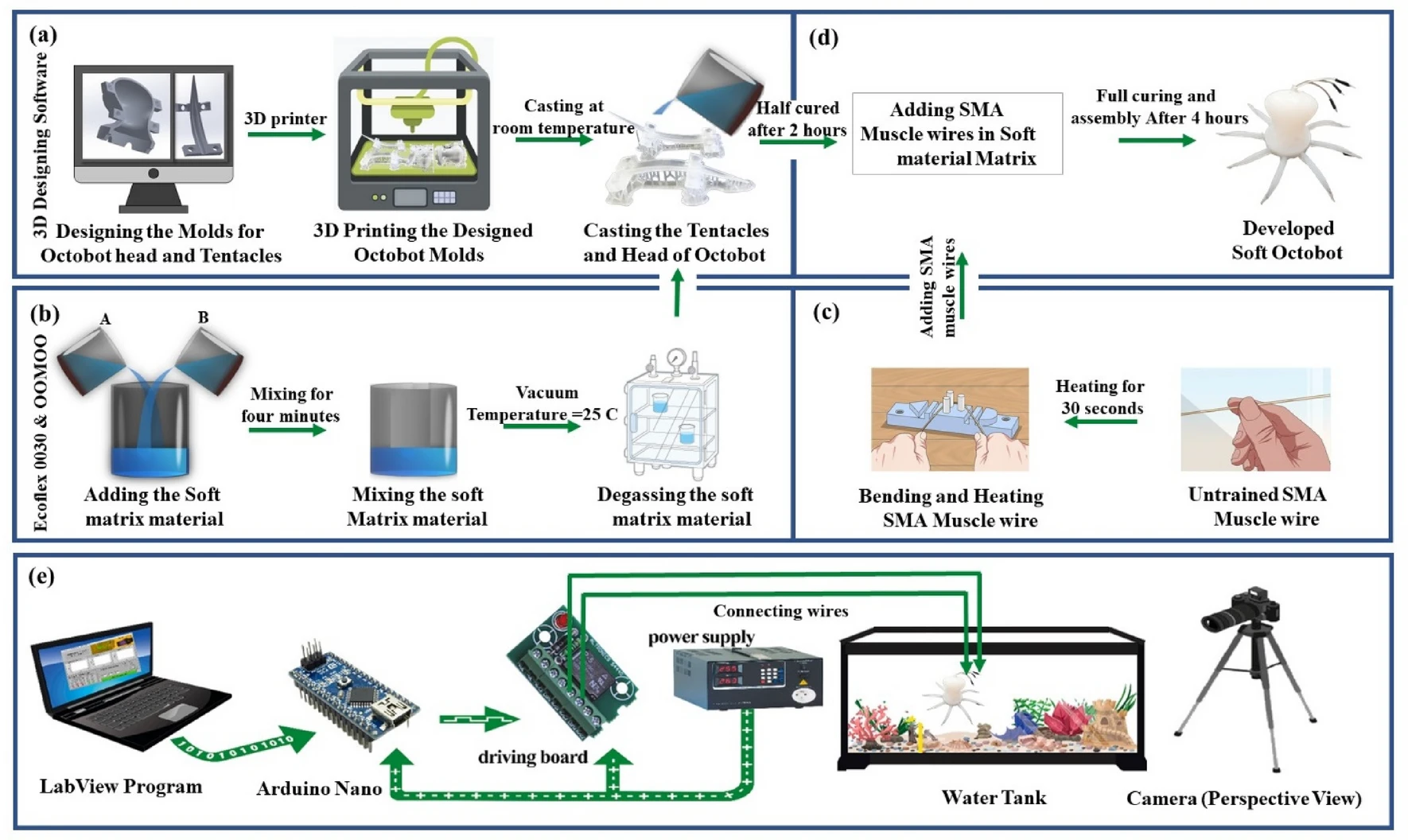
Multi-material bio-inspired soft octopus robot for underwater synchronous swimming
Faheem Ahmed, Muhammad Waqas, Bushra Shaikh, Umair Khan, Afaque Manzoor Soomro, Suresh Kumar, Hina Ashraf, Fida Hussain Memon, Kyung Hyun Choi
Journal of Bionic Engineering, 2022
This research introduces a soft robotic octopus (Octobot) featuring Ecoflex tentacles and an OOMOO head. Utilizing a dual-thrust SMA muscle configuration, the robot achieves synchronous swimming at speeds of 25 mm/s (0.5 BLS), successfully mimicking the natural gait patterns and locomotive dynamics of a real octopus.
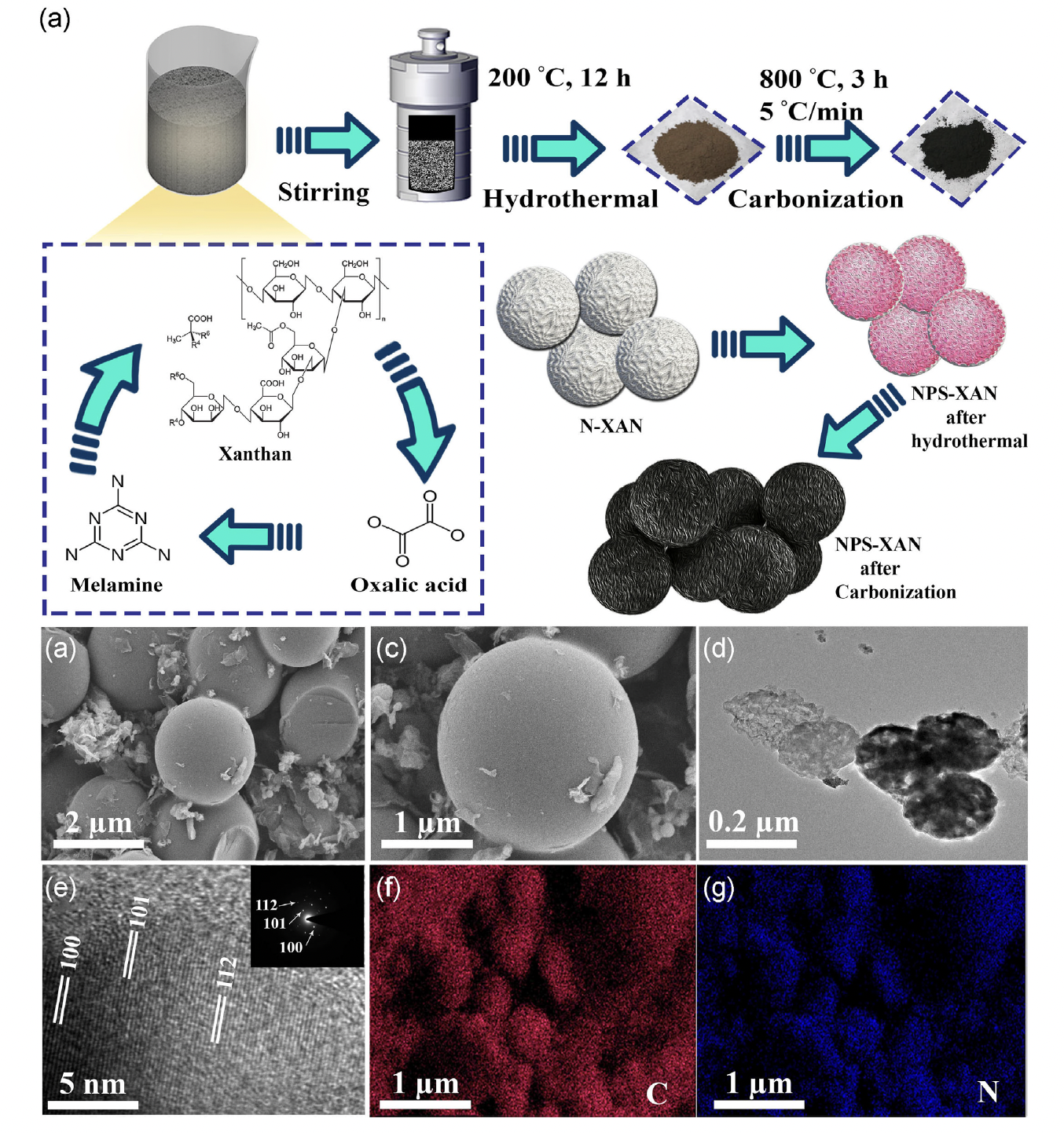
Nitrogen-enriched mesoporous carbon spheres as efficient anode material for long-cycle Li/Na-ion batteries
Shamshad Ali, Muhammad Waqas, Imdadullah Thaheem, Ayaz Hussain, Afaque Manzoor Soomro, Zuhaibuddin Bhutto, Wazir Muhammad, Syed Ali Raza Shah, Jalal Shah
physica status solidi (a), 2022
This study presents nitrogen-doped porous carbon spheres (NPS-XAN) with high nitrogen content (28%) synthesized from xanthan and melamine. These nanospheres exhibit remarkable long-cycle stability, maintaining 390 mAh/g after 1000 cycles for Lithium and 262 mAh/g after 2800 cycles for Sodium anodes, offering a superior pathway for long-life energy storage applications.
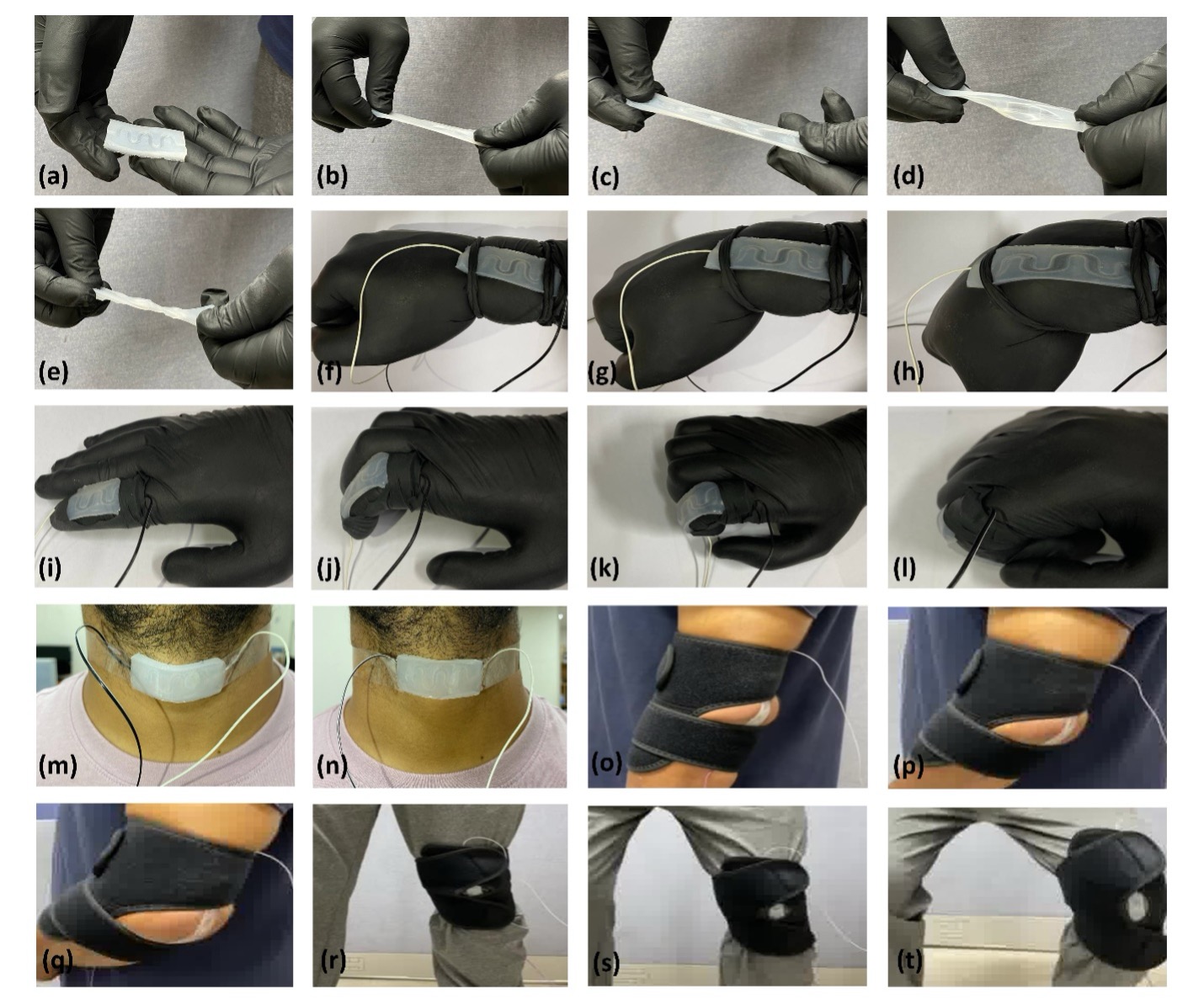
Robust ultrasensitive stretchable sensor for wearable and high-end robotics applications
Faheem Ahmed, Afaque Manzoor Soomro, Hina Ashraf, Abdul Rahim, Arun Asif, Bushra Jawed, Muhammad Waqas, Kyung Hyun Choi
Journal of Materials Science: Materials in Electronics, 2022
This study presents an ultrasensitive liquid-type strain sensor using a Glycerol/Graphene Quantum Dot (Gly-GQD) composite. Featuring a sinusoidal Ecoflex channel, the sensor achieves a gauge factor of 10.2 and remarkable durability over 8000 cycles. Its biocompatibility and water-resistant structural stability make it ideal for both wearable electronics and underwater robotic applications.
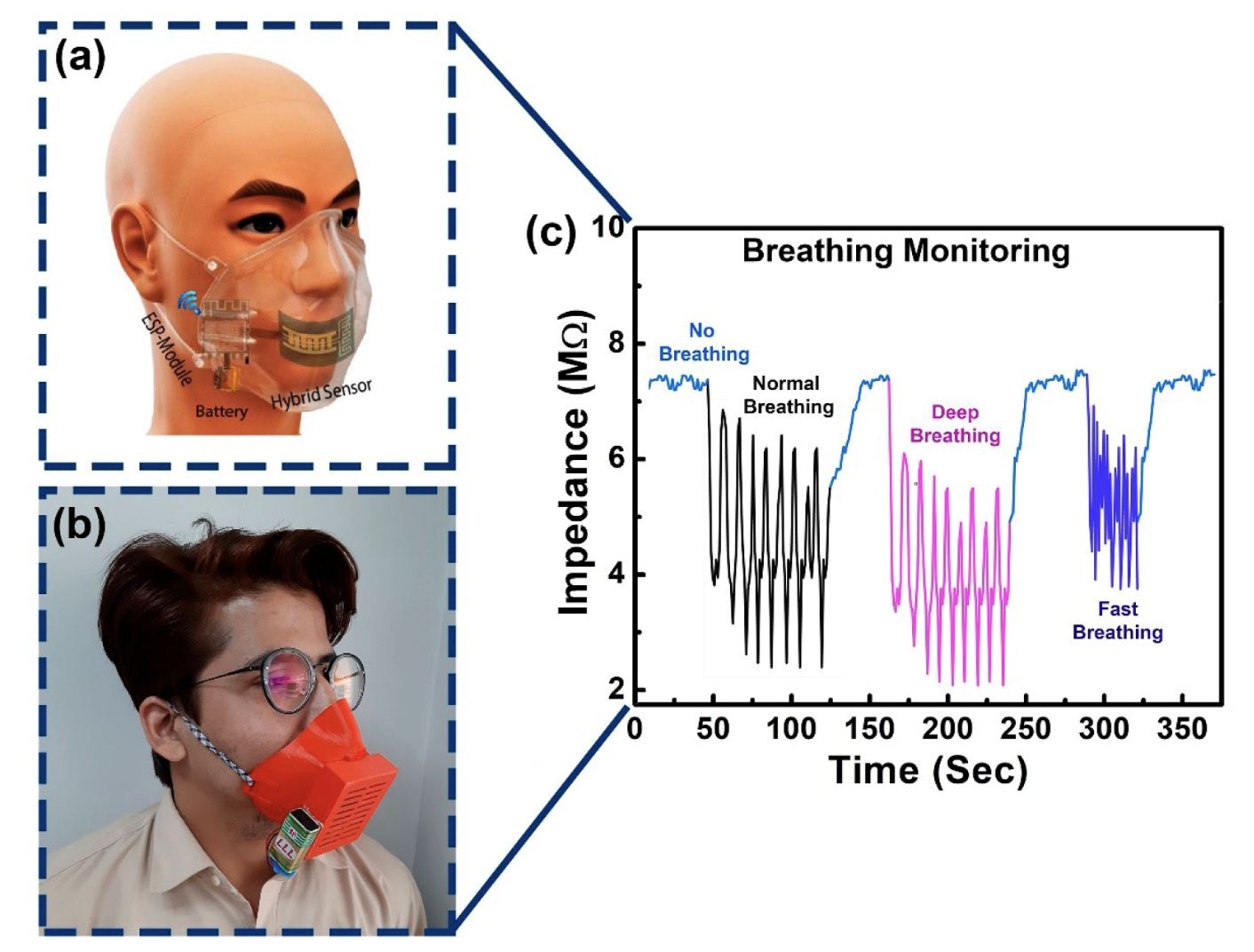
Wide-Range Humidity–Temperature hybrid flexible sensor based on strontium titanate and Poly 3, 4 ethylenedioxythiophene polystyrene sulfonate for wearable 3D-Printed mask applications
Adnan Ahmed, Afaque Manzoor Soomro, Darshan Kumar, Muhammad Waqas, Kashif Hussain Memon, Faheem Ahmed, Suresh Kumar, Hina Ashraf, Kyung Hyun Choi
Sensors, 2022
This work introduces a dual-function flexible sensor utilizing a SrTiO3/PEDOT:PSS composite for simultaneous humidity and temperature monitoring. Integrated into a 3D-printed wearable mask, the sensor features rapid response times (under 5s) and high reliability during mechanical bending, making it a robust solution for real-time human respiration tracking.
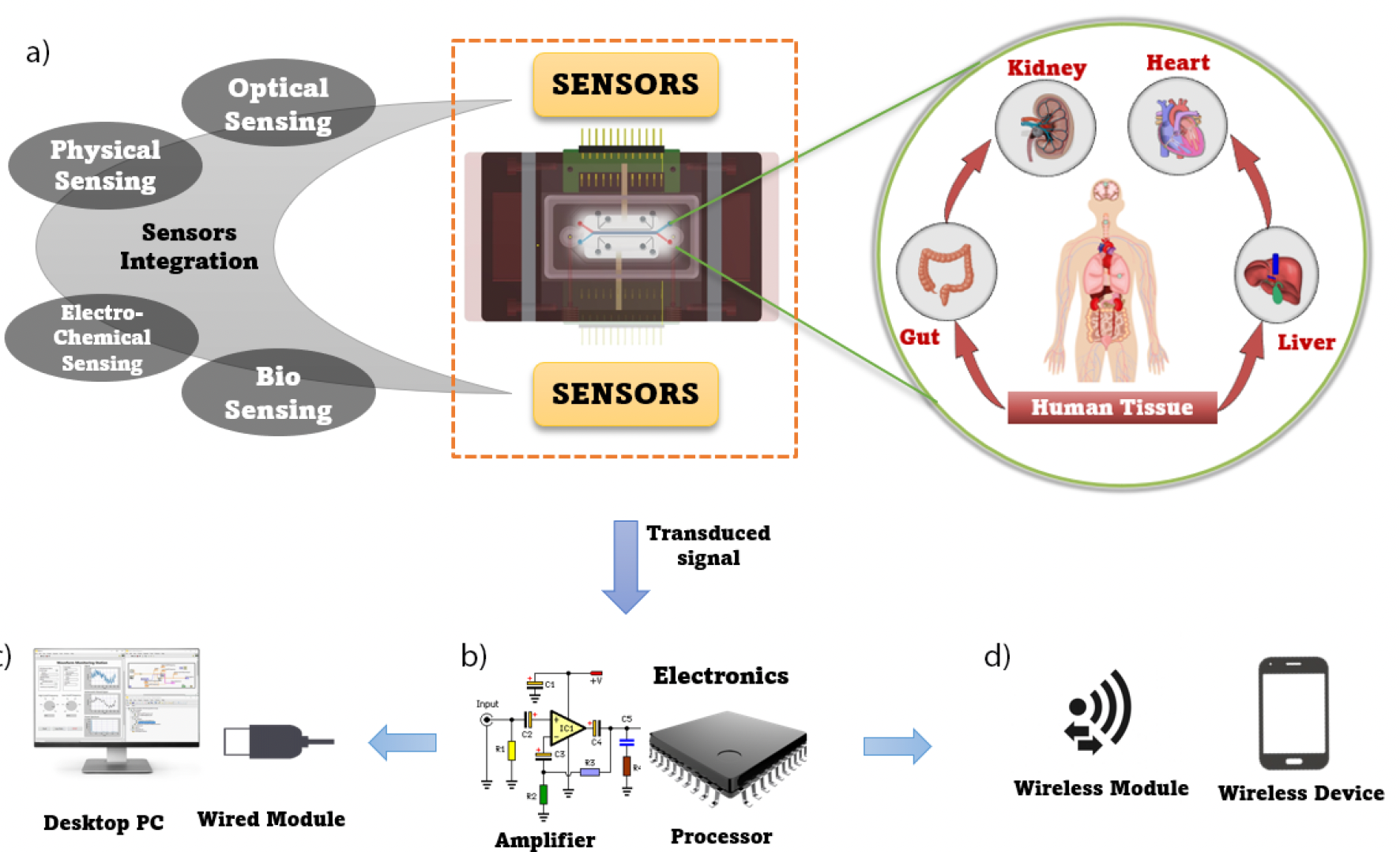
A Comprehensive review of biosensor integration in microphysiological systems for online monitoring: Current challenges and future advancements
Fida Hussain Memon, Inseok Kang, Faheem Ahmed, Wajid Ali, Afaque Manzoor Soomro, Saleem Raza Memon, Kashif Hussain Memon, Kyung Hyun Choi
ChemBioEng Reviews, 2023
This review provides a critical analysis of embedding miniaturized biosensing systems within microphysiological systems (MPS). It highlights the shift from invasive, endpoint characterization to real-time, non-invasive monitoring of biomarkers, addressing the current challenges in fabrication and the future of smart organ-on-a-chip platforms.
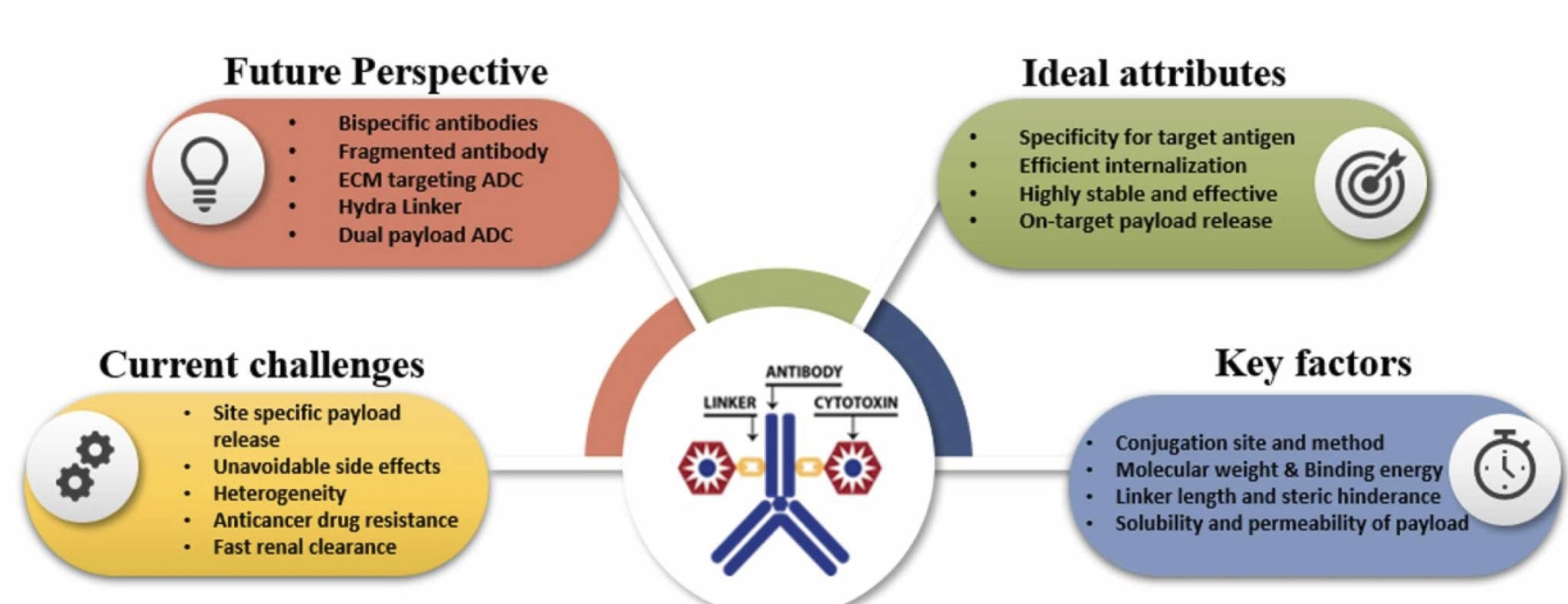
A comprehensive review of key factors affecting the efficacy of antibody drug conjugate
Anupama Samantasinghar, Naina Pullarkat Sunildutt, Faheem Ahmed, Afaque Manzoor Soomro, Abdul Rahim Chethikkattuveli Salih, Pratibha Parihar, Fida Hussain Memon, Kyung Hwan Kim, In Suk Kang, Kyung Hyun Choi
Biomedicine & Pharmacotherapy, 2023
This review examines the critical physicochemical factors—including conjugation sites, linker length, and binding energy—that determine the therapeutic index of Antibody-Drug Conjugates (ADCs). It provides a deep dive into recent advancements in conjugation methods and the challenges of designing high-efficacy, low-toxicity cancer therapies.
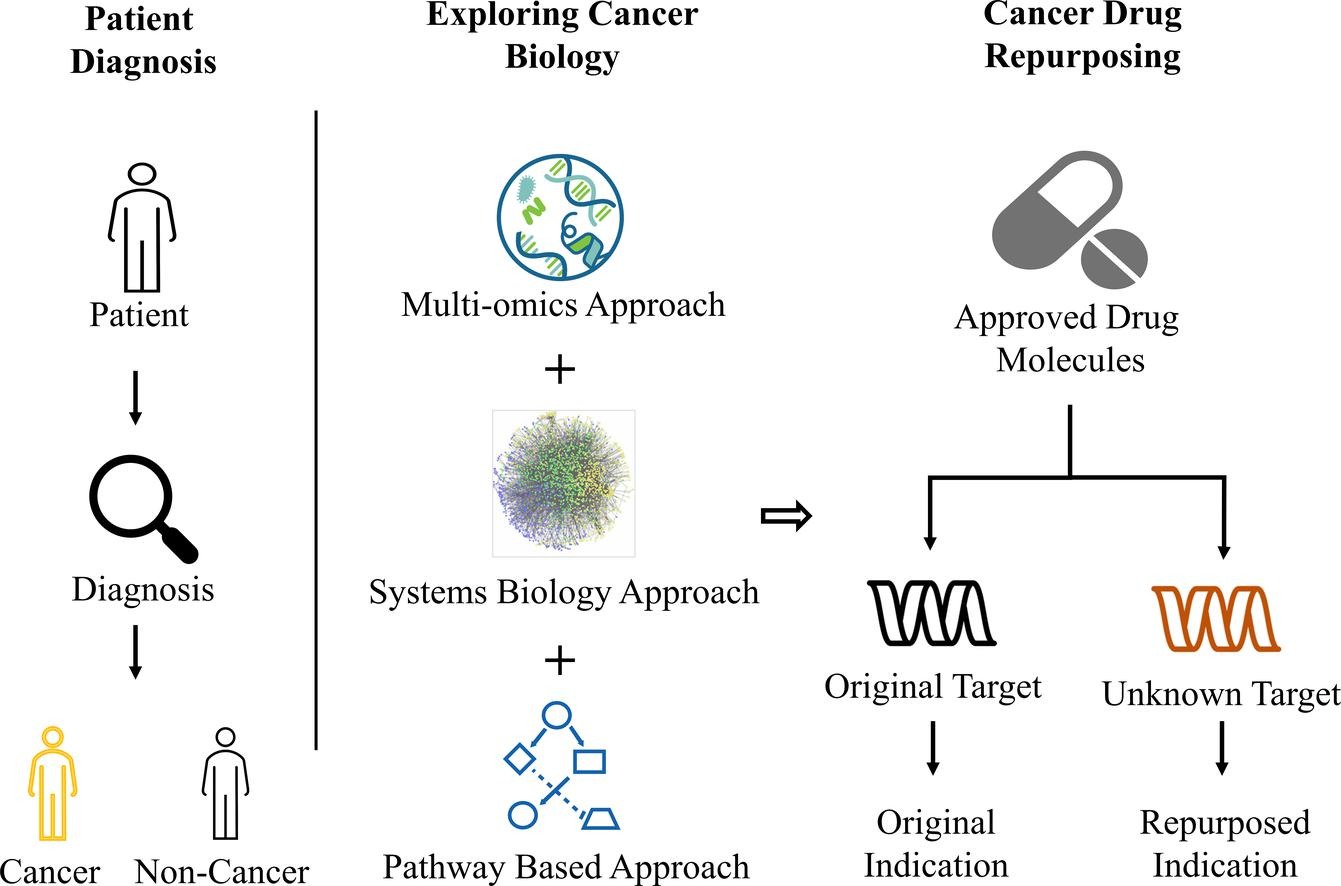
A systematic review of computational approaches to understand cancer biology for informed drug repurposing
Faheem Ahmed, Anupama Samantasinghar, Afaque Manzoor Soomro, Sejong Kim, Kyung Hyun Choi
Journal of Biomedical Informatics, 2023
This systematic review analyzes computational methodologies—including systems biology, multi-omics, and pathway analysis—used to decode cancer etiology for drug repurposing. It evaluates the current tools and databases facilitating shorter drug development timelines and provides case studies on successful repurposing efforts in oncology.
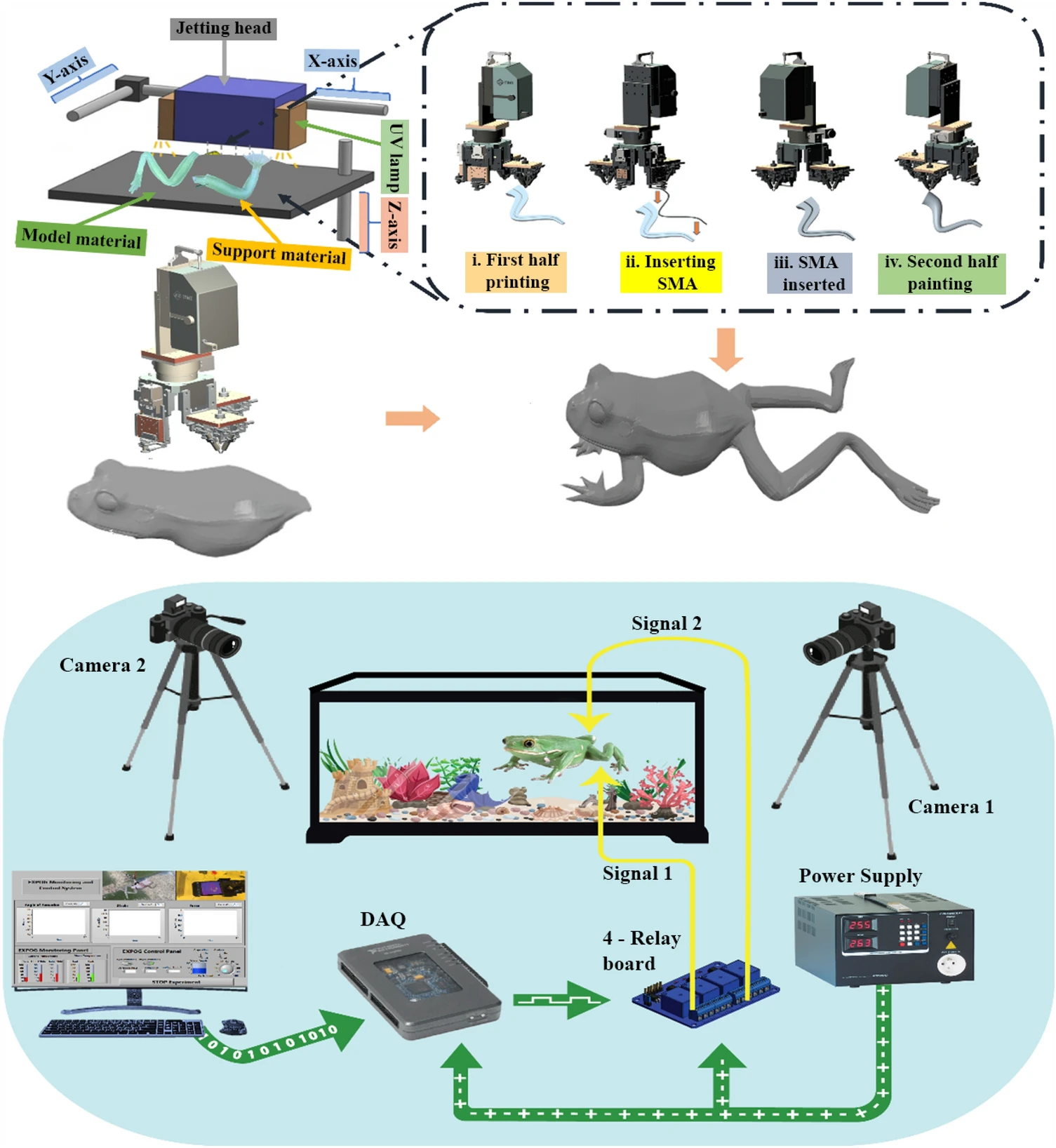
Bioinspired multi-material polyjet-printed frog robot for synchronous and asynchronous swimming
Afaque Manzoor Soomro, Jae-Wook Lee, Fida Hussain Memon, Faheem Ahmed, Kashif Hussain, Kyung Hyun Choi
Journal of Bionic Engineering, 2023
This study introduces ‘FROBOT,’ a bioinspired soft frog robot fabricated via multi-material polyjet printing and ultrathin filaments. By embedding antagonistic SMA muscle wires, the robot achieves both synchronous and asynchronous swimming modes with speeds up to 18 mm/s, demonstrating high environmental adaptability and motion consistency with biological frogs.
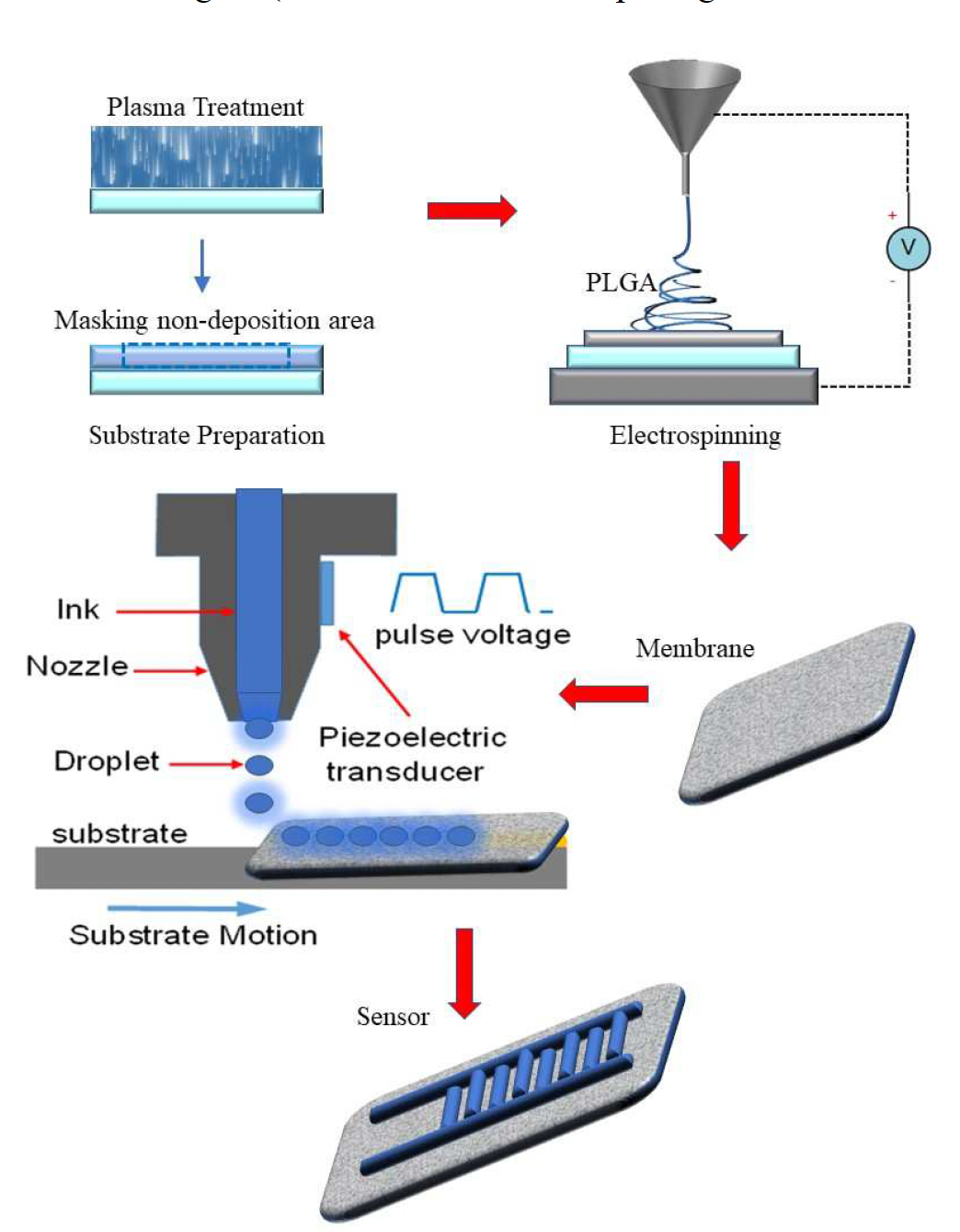
Design and Fabrication of Nanofibrous membrane and Microelectrodes for highly robust biocompatible humidity sensing
Afaque Manzoor Soomro, Faheem Ahmed, Muhammad Waqas
2023 International Conference on Microelectronics (ICM), 2023
This study introduces a biocompatible humidity sensor where a PLGA nanofibrous membrane serves as both the sensing layer and the mechanical support for comb-shaped microelectrodes. The device achieves a full detection range (0–100% RH) with ultra-fast response times (1.8 s), demonstrating high efficacy in monitoring human breathing patterns.
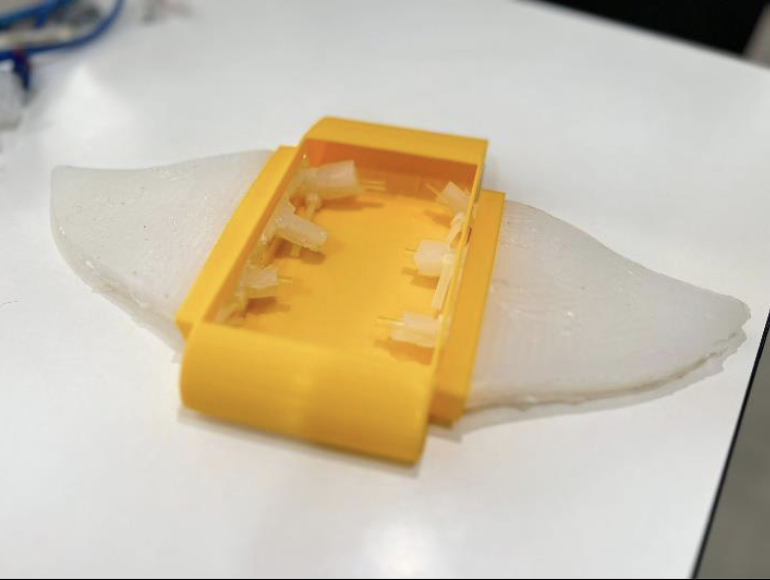
Development of Manta Ray Inspired Fish Robot With Embodied Sensing for Efficient Underwater Environment Monitoring
TR Aali, H Adnan, Afaque Manzoor Soomro
Am. J. Eng. Technol., 2024
This research presents a bio-inspired soft robotic fish modeled after the manta ray for non-invasive underwater environmental monitoring. Utilizing pneumatic actuation and Ecoflex-0030 pectoral fins, the robot achieves agile, manta-like propulsion validated through ANSYS simulations, offering a more adaptable and eco-friendly alternative to traditional hard-shelled AUVs.
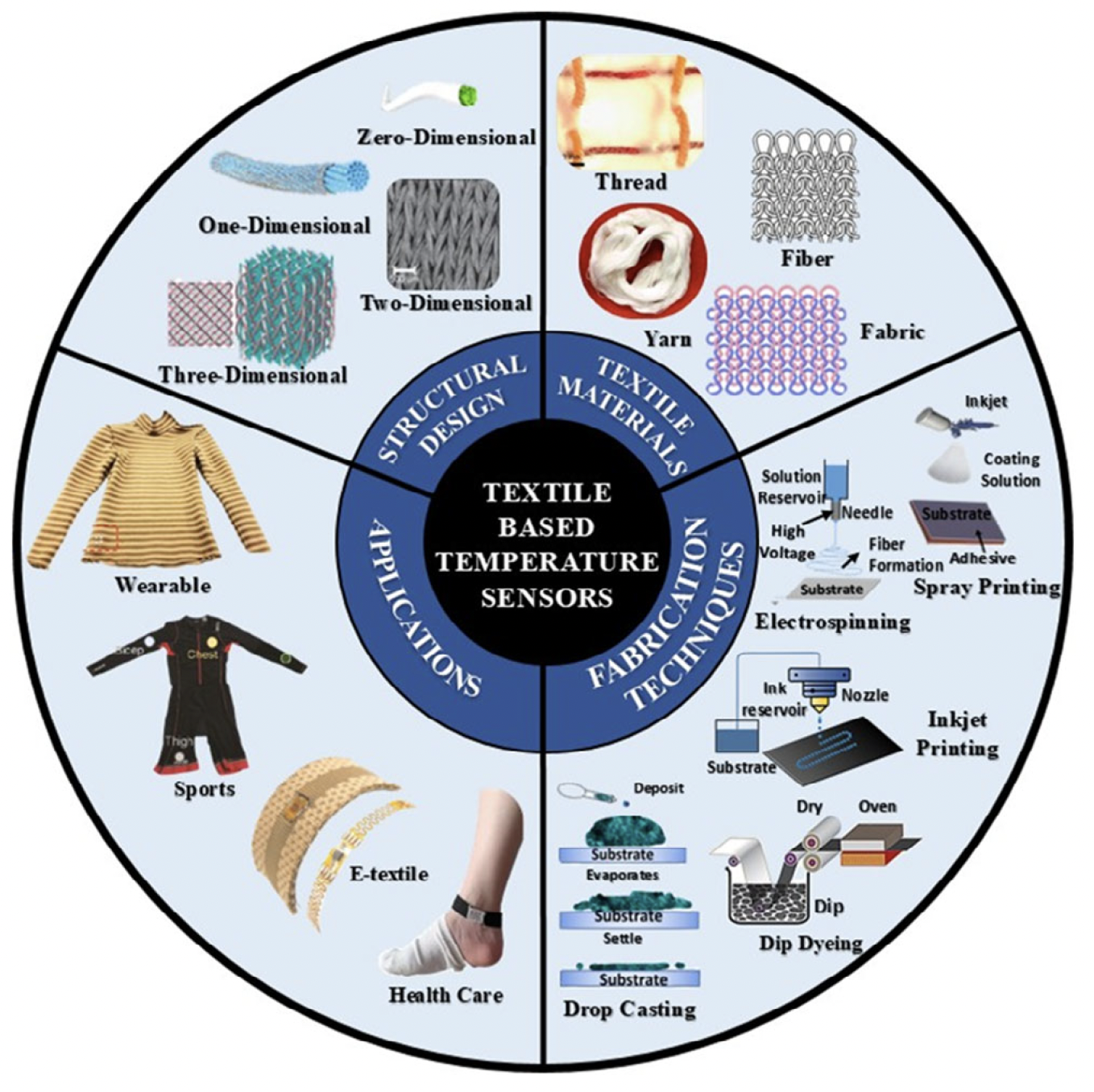
Textile-Based Flexible Temperature Sensors for Wearable and Sports Applications
Afaque Manzoor Soomro, Bushra Jawed, Abdul Qayoom, Hasnain Hyder, Kashif Hussain, Lubina Iram, Muhammad Waqas, Faheem Ahmed, Abdul Sattar, Suhail Almani
physica status solidi (a), 2024
This comprehensive review evaluates the transition from rigid metal-based thermistors to textile-integrated temperature sensors. It provides an in-depth analysis of fabrication techniques, material advancements, and performance parameters critical for real-time thermal monitoring in sports science and smart clothing.
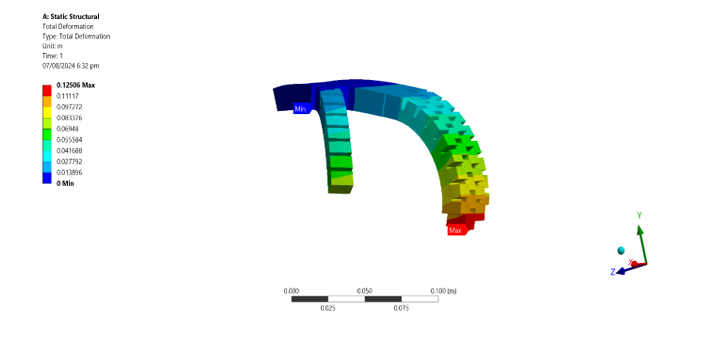
Design and Fabrication of Soft Prosthetic Hand
Tanveer Ahmed, Habibullah, Alishba Shah, Abdul Qayoom Soomro, Afaque Manzoor Soomro, Umar Randhawa
Research Square (Preprint), 2025
To assist stroke patients and individuals with hand disabilities, this study develops a soft prosthetic hand based on the PneuNets (pneumatic network) framework. The design utilizes additive manufacturing and silicone molding to create pneumatic chambers that mimic human finger movements, providing a compliant and safe solution for grasping and manipulation.
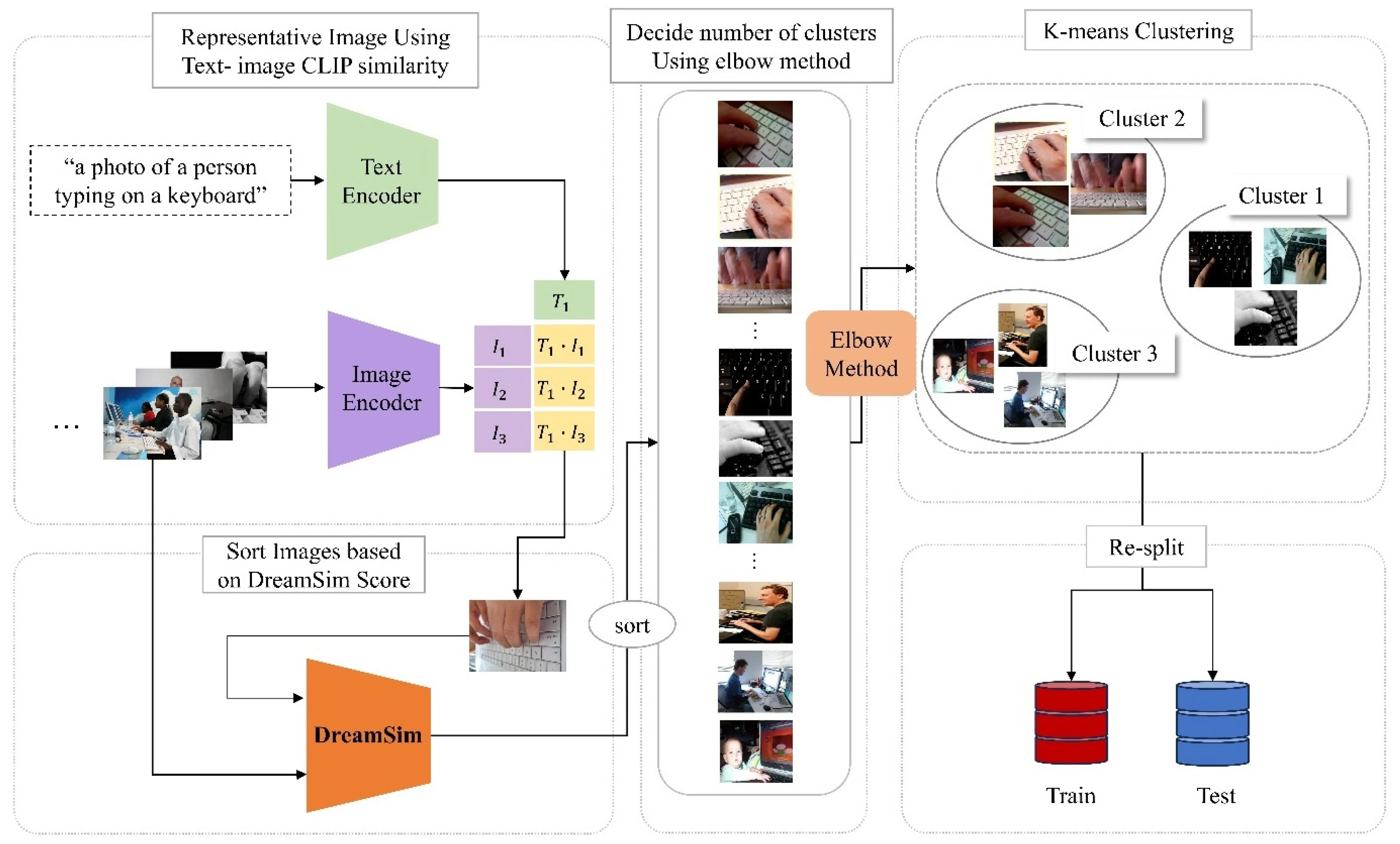
Enhancing Rare Class Performance in HOI Detection with Re-Splitting and a Fair Test Dataset
Gyubin Park, Afaque Manzoor Soomro
Information, 2025
This study introduces a Re-Splitting algorithm utilizing DreamSim-based clustering to mitigate class imbalance in Human–Object Interaction (HOI) detection. By restructuring datasets to balance rare and frequent classes, the method achieves an 8.0 mAP improvement in rare-class detection, establishing a more scalable and fair framework for generalizable computer vision.
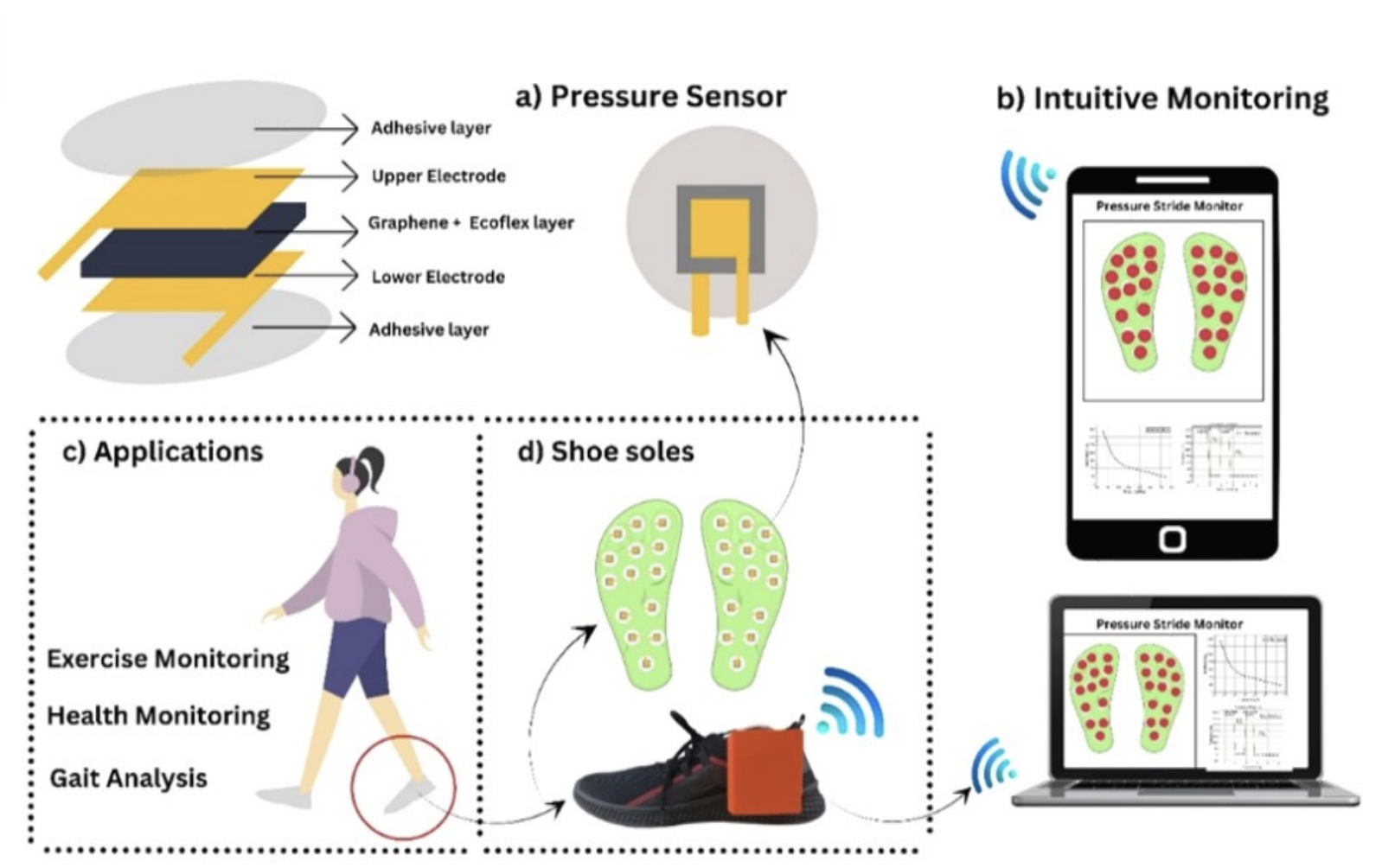
Fabrication of Soft and Comfortable Pressure-Sensing Shoe Sole for Intuitive Monitoring of Human Quality Gaits
Muhammad Adeel, Hasnain Ali, Afaque Manzoor Soomro, Muhammad Waqas
arXiv preprint arXiv:2501.14193, 2025
This research details the development of a flexible, negative piezoresistive sensor using Ecoflex/Graphene composites for gait monitoring. Integrated into a soft shoe sole with a wireless ESP32-based readout system, the device enables real-time, intuitive analysis of human quality gaits to aid in the rehabilitation of patients with neuromotor disorders.
talks
Talk 1 on Relevant Topic in Your Field
UC San Francisco, Department of Testing, 2012
This is a description of your talk, which is a markdown file that can be all markdown-ified like any other post. Yay markdown!
Tutorial 1 on Relevant Topic in Your Field
UC-Berkeley Institute for Testing Science, 2013
Conference Proceeding talk 3 on Relevant Topic in Your Field
Testing Institute of America 2014 Annual Conference, 2014
This is a description of your conference proceedings talk, note the different field in type. You can put anything in this field.
teaching
Teaching experience 1
University 1, Department, 2014
This is a description of a teaching experience. You can use markdown like any other post.
Teaching experience 2
University 1, Department, 2015
This is a description of a teaching experience. You can use markdown like any other post.